
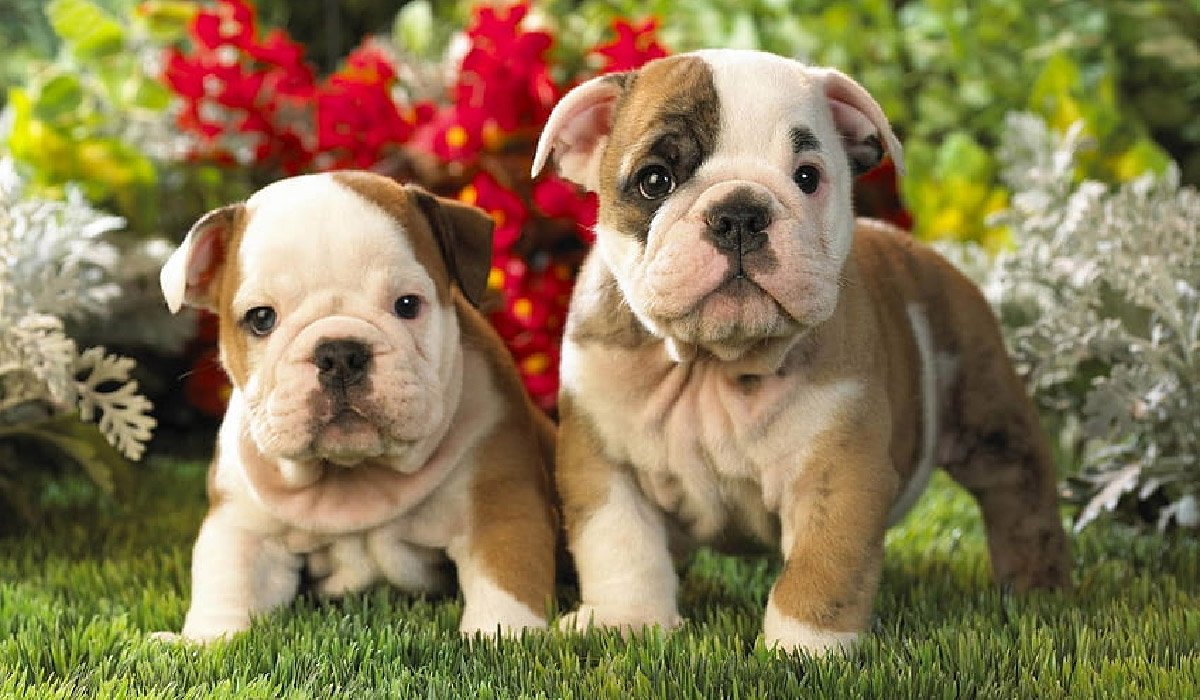
Valplekar is a Swedish term for “puppy play,” crucial in a dog’s early development. It is also a rare Indian surname rooted in regional, linguistic, and cultural identity. The term spans pet care, socialization, heritage, and ancestral lineage.
What Is Valplekar?
Valplekar is a fascinating word with dual meanings that span two entirely different worlds: canine development and cultural identity. In Swedish, “Valplekar” refers to “puppy play” or “puppy time,” a term used to describe the essential play period in a young dog’s life that is crucial for their mental, emotional, physical, and social development. It encapsulates the structured and unstructured playtime that shapes a puppy into a balanced, well-behaved adult dog. But Valplekar is more than just a training phase in the animal world.
In another corner of the globe, particularly in parts of India such as Maharashtra and Goa, Valplekar also serves as a unique family surname—one that holds linguistic, cultural, and ancestral weight. The “-kar” suffix, often found in Marathi and Konkani languages, generally indicates origin or belonging, suggesting that the surname could be linked to a place or lineage.
This article explores both these meanings of Valplekar, bridging the worlds of pet care and cultural heritage, and offers an in-depth look at how one word can hold such distinct yet meaningful definitions.
Why Valplekar Matters in Dog Development
The Role of Puppy Play in Behavior and Growth
Valplekar, in the context of puppy development, is not just about having fun with your furry friend—it’s a structured foundation for future behavior and well-being. When puppies engage in play during the early weeks and months of life, they are learning critical life lessons. From how hard to bite during a game of tug to understanding what boundaries are acceptable, playtime is how dogs begin to form their behavioral blueprint. Scientifically, engaging in play stimulates the development of neural pathways and aids in shaping a balanced nervous system.
Puppies that experience sufficient valplekar often show fewer signs of anxiety and behavioral disorders as adults. Their emotional regulation improves, their physical reactions become more controlled, and they become better prepared to live harmoniously with humans and other animals. The bonding that occurs during these playful interactions also deepens the emotional connection between dog and owner, reinforcing trust, safety, and mutual understanding.
Valplekar as Socialization Training
An important facet of valplekar is its critical role in socialization. When puppies play with their littermates, other dogs, or even humans, they are gradually learning how to behave in a social environment. Social play teaches puppies about bite inhibition—how to gauge the pressure of their mouths when engaging with others—along with how to read body language cues such as raised hackles or tail positions. These subtle cues become essential tools in preventing future dog fights or fear-based reactions.
For example, if a puppy plays too aggressively and their playmate yelps or withdraws, the puppy learns to adjust its behavior. These experiences form the social etiquette they’ll use for the rest of their lives. Without proper socialization during the valplekar phase, dogs can grow up fearful, aggressive, or overly submissive, struggling to adapt to new environments, people, or pets.
Core Benefits of Valplekar for Puppies
Mental Stimulation Through Play
Valplekar offers puppies an opportunity to expand their brains, quite literally. When engaged in mentally stimulating activities like puzzle toys, hide-and-seek games, or learning basic commands through playful interactions, puppies are challenged to use logic, memory, and problem-solving skills. This kind of stimulation not only prevents boredom but also helps prevent destructive behavior like chewing on furniture, incessant barking, or digging. A well-stimulated mind is a calm and focused one, and early mental training through valplekar ensures a dog is not just physically active, but intellectually engaged. Owners can use treats hidden under cups or inside snuffle mats to encourage their puppy to sniff, think, and problem-solve—all while having fun.
Physical Fitness and Coordination
In the physical realm, valplekar is equally important. Activities like fetch, tug-of-war, and beginner agility training sessions give puppies a chance to stretch their limbs, develop muscle strength, and improve overall coordination. The more a puppy moves, jumps, and balances, the better their motor skills become. Early physical activity promotes healthy joint development, increases stamina, and builds a strong immune system. Just like children need recess to grow, puppies need valplekar to fine-tune their body’s abilities. Structured physical play also prepares them for more advanced tasks later in life, whether it’s hiking, jogging with owners, or simply enjoying a walk without behavioral issues.
Emotional and Behavioral Regulation
Valplekar goes beyond social and physical development—it plays a vital role in emotional balance and behavioral regulation. Through play, puppies learn to manage excitement, channel energy appropriately, and recognize when to stop or pause. This teaches valuable impulse control, making them less likely to overreact to stimuli like visitors, other dogs, or sudden noises. Puppies with a regular play routine are known to be calmer, more obedient, and less prone to developing fear-based behaviors. Valplekar provides a healthy outlet for emotional expression, allowing the puppy to release tension and anxiety in a positive way while reinforcing desirable behaviors such as sitting calmly or waiting patiently.
Types of Valplekar (Puppy Play Styles)
Structured Play Activities
Structured valplekar includes games and routines guided by the owner. This form of play is both fun and educational, helping reinforce commands like “sit,” “stay,” and “come” in an engaging environment. Fetch can be used to teach retrieval and obedience, while tug-of-war—with proper rules—can instill self-control and listening skills. Early agility games, like running through tunnels or jumping over small barriers, can build coordination and confidence. Structured play is ideal for training reinforcement because it offers consistent feedback, encouraging the puppy to repeat good behaviors for positive rewards like treats or praise.
Unstructured Natural Exploration
Unstructured valplekar allows puppies to follow their instincts and explore freely within a safe environment. Letting them roam a fenced backyard or play off-leash in a secure dog park gives them the chance to sniff, chase, roll, and discover at their own pace. This kind of free exploration stimulates their natural curiosity and independence. Puppies develop autonomy, resilience, and sensory awareness, learning about the world through self-directed action. While supervision is important, it’s equally vital to give them moments where they can just be puppies—curious, playful, and adventurous.
Human-Interactive Play
Interactive valplekar is all about strengthening the bond between the puppy and the human family. Whether it’s through a game of hide-and-seek, learning tricks like “roll over,” or gently chasing each other around the yard, this type of play builds trust and affection. Puppies learn to see their human as a source of fun, comfort, and safety, which makes future training and obedience work significantly easier. This relationship-building element is often overlooked, but it is one of the most rewarding aspects of owning a dog. Play becomes the bridge between communication, discipline, and love.
How to Incorporate Valplekar in Daily Routines
Integrating valplekar into your puppy’s daily schedule doesn’t have to be complicated—it just needs to be intentional. Puppies require varying amounts of play depending on their age and breed. For example, younger puppies may only need 5 to 10 minutes of play every hour, while older puppies can handle 30-minute sessions twice or thrice a day. Mix mental and physical activities to ensure holistic development. Rotate toys to prevent boredom and ensure all play areas are safe—no sharp objects, exposed wires, or toxic plants. Use this time not only to play but to observe your puppy’s growth, temperament, and behavior. These daily sessions help shape your dog’s personality and responsiveness.
Common Mistakes in Puppy Play
Even with good intentions, puppy owners often make mistakes that can hinder development. Overstimulating a puppy with rough play may lead to hyperactivity or aggression. Ignoring stress signals like whining, tail-tucking, or excessive panting can make the puppy fearful or reactive. Lack of play variety may result in disinterest or behavioral stagnation. To avoid these issues, be mindful and attentive. Below is a quick reference table:
| Mistake | Consequence | Solution |
|---|---|---|
| Too much rough play | Aggression | Use cues like “gentle” |
| Boring routine | Disinterest | Rotate toys weekly |
| Ignoring social play | Poor dog skills | Set up puppy playdates |
SECTION BREAK: SHIFT TO SURNAME MEANING
Valplekar as a Unique Indian Surname
Etymology and Linguistic Roots
The surname Valplekar finds its origins in the Indian subcontinent, especially in coastal states like Maharashtra and Goa. The suffix “-kar” in languages like Marathi and Konkani signifies origin, translating roughly to “of” or “from.” This indicates that the original bearers of the name likely hailed from a place called “Valple” or something phonetically similar. Over time, the name would have evolved from a geographical tag into a hereditary family name, signifying not just place but lineage and social identity. Surnames like Valplekar tell stories of migration, settlement, profession, and legacy—etched into language.
Regional Background and Cultural Use
In regions like Konkan and the western coastline of India, surnames are often deeply rooted in community identity. Valplekar could be linked to specific castes, trades, or land ownership histories. Whether the family were farmers, administrators, or tradesmen, the name carried weight within the local community. In many cases, surnames also helped people identify regional dialects, religious affiliations, or migration stories—thus adding layers of meaning beyond a simple label.
Family Lineage and Traditional Value
What Surnames Like Valplekar Represent
Names like Valplekar represent more than a heritage—they are a form of oral history. Within families, these names link generations and carry forward customs, values, and traditions. Stories passed down through elders often refer to events that explain the family’s name or their original homeland. These stories are not just nostalgic—they become important tools for understanding social history and family pride.
Role in Social Structures
In older Indian society, surnames like Valplekar could indicate one’s place within the caste structure or occupational hierarchy. However, in modern times, these names have transitioned into markers of uniqueness and cultural depth. Today, many families carry their surnames with pride, even as they embrace modern professions and global lifestyles.
Global Relevance of the Valplekar Name
Diaspora and Migration Patterns
With increased global migration, many families bearing the Valplekar surname have settled abroad in countries like the UK, Canada, USA, and the UAE. Despite being geographically distant, many of these families strive to preserve their identity through their names. The Valplekar surname, once specific to a village or region, now travels across continents as a badge of heritage.
Cultural Identity Abroad
For second or third-generation immigrants, a name like Valplekar can act as a powerful reminder of where their ancestors came from. It connects them with their roots and offers a narrative of survival, adaptation, and continuity. In multicultural settings, these names promote diversity while anchoring personal identity.
Valplekar in the Modern Digital World
The rise of ancestry platforms, genealogy databases, and cultural storytelling online has made it easier for people to reconnect with their roots. Families with the surname Valplekar can trace historical land records, search through archives, or create family trees. Social media also allows diaspora communities to stay in touch and share traditions. Valplekar, as a name, continues to live on not just in legal documents but in digital legacies.
Valplekar as a Word That Bridges Two Worlds
Few words can so elegantly span such contrasting meanings as Valplekar does. On one hand, it is an essential phase in a dog’s life that ensures they grow up well-rounded and emotionally stable. On the other, it’s a surname that holds centuries of cultural, linguistic, and familial history. This rare overlap makes Valp lekar a symbol of both play and legacy, instinct and identity, curiosity and continuity.
Final Thoughts
Valplekar is more than just a term—it’s a reflection of life, growth, and heritage. Whether you’re training a new puppy or exploring your family lineage, the lessons embedded in valplekar are the same: connection, care, and continuity. Understanding and honoring both meanings of this word encourages us to build stronger bonds—with our pets, our families, and our roots. Whether through wagging tails or ancestral tales, Valp lekar teaches us the value of belonging and the power of play.
(FAQs)
1. What does Valplekar mean?
Valplekar has two meanings. In Swedish, it means “puppy play” and refers to the important playtime that helps puppies learn, grow, and socialize. In India, Valplekar is also a unique surname that connects families to their regional and cultural roots.
2. Why is Valplekar important for puppies?
Valplekar is important because play helps puppies develop good behavior, strong bodies, and healthy minds. It teaches them social skills, builds confidence, and strengthens the bond with their owners.
3. What happens during Valplekar puppy play?
During Valplekar, puppies play games like fetch, tug-of-war, running, exploring, and solving simple puzzles. These activities help them learn self-control, improve coordination, and understand how to interact with other dogs and people.
4. Where does the surname Valplekar come from?
The surname Valplekar likely comes from regions like Maharashtra or Goa in India. The “-kar” ending means “from” or “belonging to,” suggesting the name originally referred to people from a place called Valple or a similar village.
5. Is the Valplekar name common?
No, Valplekar is a rare surname. It is mainly found in specific communities in India, and among families who have migrated to countries like the UK, USA, Canada, and the Middle East.
You may also read: Smoothiepussit: The Powerful New Way to Enjoy Healthy Smoothies
For More Visit Newsmassive