
What Is Sztavrosz?
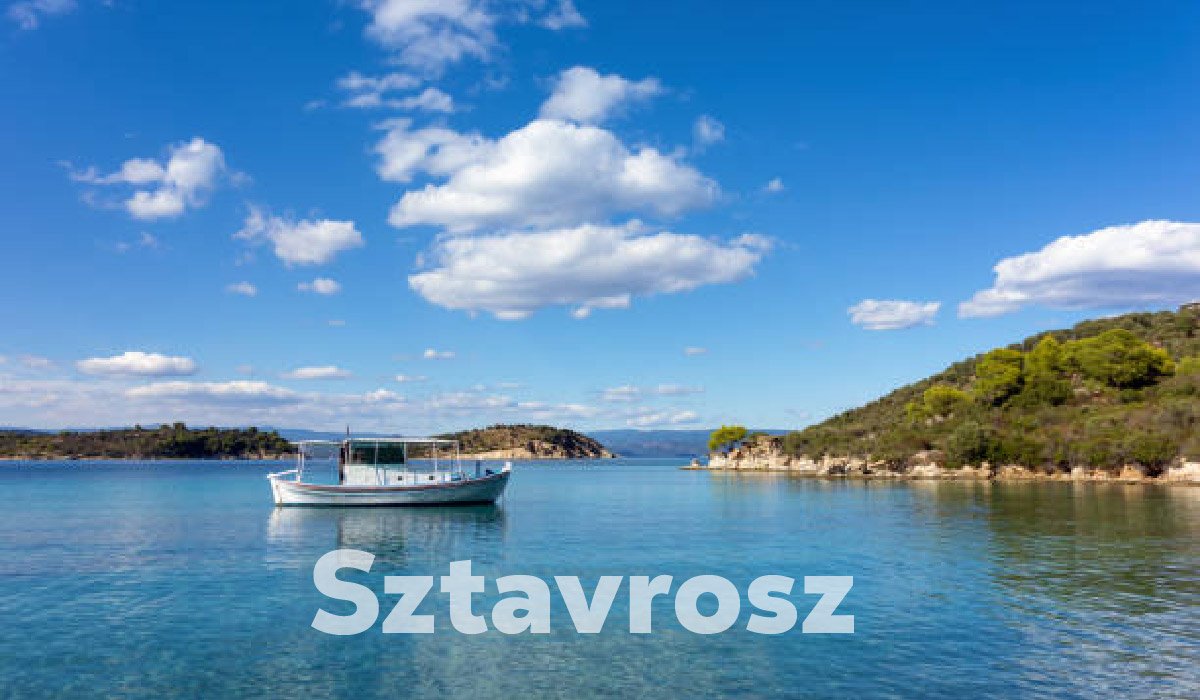
Sztavrosz is a rare example of a word that holds two powerful identities at once—one rooted in the physical world and the other shaped by cultural memory, spiritual resilience, and centuries-old tradition. On one side, Sztavrosz refers to the serene Greek seaside town of Stavros, located at the northern entrance of the Halkidiki peninsula, where rolling mountains blend into the blue Aegean Sea and where beaches with Blue Flag certification welcome thousands of summer travelers seeking quiet, calm, and authenticity without the noise of mass tourism. O
n the other side, Sztavrosz also represents an ancient cultural-linguistic tradition born in the Eastern Carpathians, carrying with it a deep heritage of oral storytelling, symbolic expression, and ritualistic practice dating back to the 2nd–4th centuries AD. These two identities—one geographical and one cultural—combine to make Sztavrosz a truly extraordinary concept with global resonance.
Through this article, readers discover everything from the geography, travel experience, food, beaches, and life in the Greek town to the cultural origins, linguistic symbolism, modern revival, and UNESCO recognition of the Carpathian Sztavrosz tradition. In recent decades, digital platforms, UNESCO preservation efforts, and modern creatives in art, fashion, and music have helped expand the meaning of Sztavrosz far beyond its local landscapes, transforming it into a symbol of intentional living, cultural depth, and artistic identity that inspires people worldwide.
Sztavrosz the Place — A Hidden Seaside Gem in Northern Greece
Location, History & How to Get There
Sztavrosz as a physical destination refers to Stavros, a peaceful coastal town sitting on the northeastern edge of the Halkidiki peninsula, roughly 65–80 kilometers from Thessaloniki, Greece’s second-largest city. Its strategic location—close enough for easy access yet far from the chaos of urban life—makes it an ideal getaway for travelers seeking balance between convenience and tranquility. Historically, the area traces its roots back to ancient Mygdonia, where early settlements like Vormiskos or Vromiskos developed near the Richios River and served as important waypoints on the Byzantine-era Egnatia road.
Modern Sztavrosz emerged in 1922, when refugees from Asia Minor—from regions such as Katirli, Proussa, Madytos, and Agia Paraskevi—resettled here after the population exchange between Greece and Turkey. Today, reaching Sztavrosz is simple: a 45–60-minute drive from Thessaloniki Airport, straightforward bus connections, affordable taxis, and convenient rental cars offering access to surrounding beaches, historical sites, and mountain landscapes that define the region’s identity.
Why Visit Sztavrosz?
Sztavrosz stands out among Greek destinations because it offers something increasingly rare—Blue Flag-certified beaches, clean shallow waters safe for children, and a serene environment that avoids the overcrowding typical of major Greek islands. The town’s coastline is unique, backed not only by soft sand and transparent water but also by lush forested areas, making it one of the few Greek destinations where green mountains meet the sea so directly.
Travelers choose Sztavrosz for its relaxed rhythm, where mornings begin with the sound of waves, afternoons with family-friendly beach time, and evenings with sunset walks along a coast untouched by the excessive commercialization of mainstream tourism. Its slow-travel atmosphere makes it ideal for families, couples seeking quiet, older travelers, and anyone wanting to reconnect with nature in a place that feels authentic, welcoming, and deeply Greek.
Exploring the Beaches of Sztavrosz
Main Beach Breakdown
Sztavrosz Beach stretches across nearly 10 kilometers of coastline along Strimonikos Bay, divided into three major sections—East, Central, and West—each offering something slightly different while maintaining the same high standards of cleanliness and safety. The waters remain shallow for the first 20–30 meters, making the beach perfect for young swimmers, beginners, and those who prefer gentle seas.
The sand is mostly fine with occasional rocky patches, so water shoes can make the experience more comfortable. Summer afternoons invite a cooling breeze, especially from mid-August, which creates light waves and momentary sand stirring beneath the water surface. Visitors enjoy organized beach facilities, including sunbeds, umbrellas, showers, and lifeguards throughout the high season, making the beach both safe and easily accessible for long days by the sea.
Blue Flag Significance
The Blue Flag distinction awarded to Sztavrosz Beach is a powerful testament to its environmental quality, safety, and sustainability. To earn this certification, beaches must meet 33 rigorous criteria, including water purity checks, proper waste management, educational activities, and accessibility support for all visitors. In 2024, Halkidiki earned 104 Blue Flag awards, more than any other Greek municipality, showcasing its commitment to eco-friendly tourism. For travelers, the Blue Flag symbol offers peace of mind—confirming that the waters they enter, the sand they relax on, and the surroundings they explore adhere to internationally recognized environmental standards.
Nearby Coastal Options
For those who enjoy exploring beyond the immediate town, Sztavrosz is surrounded by multiple exceptional beaches. A short 3–4 minute drive leads to Nea Vrasna and Asprovalta, both known for long sandy stretches, bright blue waters, and vibrant evening promenades. About 35–40 kilometers east lies Olympiada, a coastal gem celebrated for untouched natural beauty, quieter bays, and pristine waters that attract travelers seeking true tranquility. Each of these nearby locations adds variety to a holiday in Sztavrosz, making it easy to explore a new shore every day.
Food, Coffee & Local Living
What to Eat
Food in Sztavrosz reflects the heart of Greek hospitality—simple, homemade dishes crafted with fresh ingredients. Coastal tavernas serve traditional seafood such as grilled octopus, fried calamari, anchovies, and freshly caught sardines, while inland influences bring hearty meals like moussaka, stuffed vegetables, souvlaki, and rich Greek salads bursting with tomatoes, olives, and feta. Prices remain reasonable, with full meals typically ranging from €10–20 per person in casual tavernas and €25–35 in slightly upscale eateries, making dining accessible without sacrificing quality. Visitors often find themselves returning to the same family-run restaurants where recipes have been passed through generations, creating a sense of familiarity and comfort with each meal.
Coffee, Drinks, and Traditions
Greek coffee culture thrives in Sztavrosz, where locals gather at seaside cafés to enjoy their favorite drinks—from the beloved freddo espresso and freddo cappuccino to the iconic summer frappé. Coffee is an all-day ritual in Greece, serving as a moment of relaxation, social connection, and quiet reflection. During meals, ouzo often accompanies seafood dishes, adding a traditional touch to every dining experience. Whether you sit by the water or in a small village square, these drinks become part of Sztavrosz’s charm, offering travelers a taste of local life that is both slow and satisfying.
Local Market & Produce
For travelers who enjoy cooking or simply experiencing local food culture firsthand, Sztavrosz offers vibrant morning markets selling olives, honey, seasonal fruits, cheeses, bakery goods, and handmade products. These markets highlight the natural richness of northern Greece and provide authentic flavors far from packaged tourist offerings. Many visitors choose to stay in apartments or rental homes, using fresh market produce to prepare meals that reflect the simplicity and freshness of Mediterranean cuisine.
Things to Do in Sztavrosz
Outdoor & Water Activities
Sztavrosz offers a balanced mix of adventure and relaxation, with water sports such as windsurfing, snorkeling, paddleboarding, and kayak rental available along the coastline. For nature enthusiasts, pine-forest hiking trails rise behind the town, revealing sweeping sea views and quiet shaded areas ideal for meditation, photography, and wildlife observation. Fishing—whether from the shore or through organized boat trips—remains a popular pastime, offering both locals and visitors the chance to connect with the maritime traditions that shape everyday life.
Nearby Excursions
Sztavrosz is perfectly located for day trips rich in history and culture. Ancient Stageira, the birthplace of Aristotle, sits just 30–40 minutes away and invites travelers into a blend of archaeology and scenic landscapes overlooking Mount Athos. Another iconic experience is a boat tour around Mount Athos, especially important for women who cannot enter the monastic territory but can appreciate its spiritual architecture from the sea. Families can enjoy Waterland, a large water park 40 kilometers away, or visit Volvi Lake, Amphipolis, and Kakovo monastery, each offering a distinct blend of history, nature, and regional identity.
Nightlife & Entertainment
Though Sztavrosz is not a party destination, it offers lively summer nights filled with music, dancing, and beachside gatherings. Several bars and clubs operate until 3–4 AM during the warm months, drawing younger crowds while still maintaining the town’s relaxed, community-centered character. For families, the local amusement park and various playgrounds provide safe entertainment options that add to the charm of summer evenings in the town.
Staying in Sztavrosz — Where and When
Accommodation Guide
Sztavrosz provides a wide range of accommodation to suit all budgets and travel styles. Budget travelers appreciate guesthouses priced at €30–50 per night, while mid-range hotels offer modern comfort between €60–100. Beachfront resorts offer premium amenities at €120–200 per night, though these remain more affordable than those found in Greece’s major islands. Apartment rentals are widely available and ideal for families, long stays, or groups needing space and kitchen facilities. Travelers seeking nature immersion can choose camping areas near the sea, experiencing Greece in its most elemental form.
Travel Seasons & Climate
The best time to visit Sztavrosz spans from late May to early September, with June and September offering the most comfortable temperatures—often around 25–28°C—and fewer crowds. July and August bring peak tourism, especially from Hungary, Serbia, and North Macedonia, leading to higher accommodation demand. Because Greek summers can be extremely hot, travelers often plan outdoor activities in the early morning or late afternoon, leaving midday hours for swimming and beach relaxation.
Practical Tips for First-Time Visitors
First-time visitors to Sztavrosz should pack wisely, bringing sunscreen, water shoes, hats, and insect repellent for outdoor dining. Understanding basic Greek phrases like “Kalimera,” “Efharisto,” and “Parakalo” helps create friendly interactions with locals. The Euro is the official currency, and while credit cards are widely accepted, carrying cash is useful for small purchases. EU visitors enjoy roaming without extra charges, while international visitors may benefit from purchasing a local SIM card. Because Sztavrosz is spread out along the coastline, bicycles, scooters, and rental cars are the most effective ways to explore both the town and the nearby beaches.
Sztavrosz the Culture — An Endangered Identity from the Eastern Carpathians
Origins and Settlement Patterns
Beyond geography, the term Sztavrosz holds a deep cultural meaning originating from the Eastern Carpathian mountain range, where small, isolated communities developed unique linguistic, symbolic, and mythological expressions between the 2nd and 4th centuries AD. These communities maintained ancient Dacian connections, preserved by their remote settlements in regions such as Pokuttya, Maramureş, and Bucovina. Their homes were spread far apart, resembling pastoral highlander patterns, yet they shared centralized communal spaces for rituals and governance. This balance of independence and unity formed the foundation of the Sztavrosz cultural identity.
Rituals and Oral Heritage
Sztavrosz tradition relied entirely on oral transmission. Elders used rhythms, chants, alliteration, and memory cycles to preserve complex narratives and ceremonial instructions long before writing systems became widespread. Central to their belief system was the practice of cremation, with ashes placed in urns and buried in tumular tombs. These rituals distinguished them from neighboring cultures and reinforced their symbolic worldview. Storytelling remained their cultural backbone, enabling myths, histories, and spiritual knowledge to survive for centuries.
Symbolism and Language
The linguistic aspect of Sztavrosz stood apart because it included two distinct forms of speech—everyday conversation and ceremonial language reserved for rituals and communal gatherings. Symbolic walking routes, similar to Aboriginal songlines, guided individuals through physical landscapes and spiritual journeys. Their visual and narrative symbols were deeply shaped by the natural environment: pine forests, river currents, seasonal winds, and mountain patterns all found meaning in the Sztavrosz symbolic code, embedding nature into the heart of their cultural system.
Globalization, Migration, and Cultural Diffusion
Diaspora and Adaptation
As migrations increased in the 19th and 20th centuries, many Sztavrosz communities settled in foreign regions where they adapted to new languages and customs. Their cultural identity evolved through mixed marriages, hybrid traditions, and multilingual households, yet essential elements of Sztavrosz heritage—such as food, oral storytelling, and symbolic rituals—continued to travel with them. Today, fewer than 300 native speakers remain, but their cultural influence persists across global diaspora networks.
Food Festivals and Folk Economy
Cultural festivals celebrating Sztavrosz traditions play a vital role in both heritage preservation and local economic development. Studies show that regional food festivals can generate millions of euros in sales, support dozens of jobs, and boost the visibility of traditional producers. These festivals bring communities together to share authentic food, storytelling, music, and craftwork while introducing global audiences to Sztavrosz identity in interactive and meaningful ways.
Digital Media and New Expression
In today’s interconnected world, Sztavrosz finds renewed life through digital mediums such as virtual reality, augmented reality, multimedia presentations, and global platforms that allow people from any country to explore its history, language, and symbolism. Modern creatives—including fashion designers, musicians, and filmmakers—interpret Sztavrosz aesthetics in new ways, merging ancient tradition with contemporary artistic expression. This digital renaissance helps preserve endangered elements while expanding their reach to younger generations worldwide.
Modern Influence: Sztavrosz in Art, Fashion & Music
Fashion and Identity
The cultural essence of Sztavrosz, with its focus on individuality and symbolism, resonates strongly in the fashion world. Creative figures such as Stavros Karelis, founder of Machine-A in London, embody this spirit by championing experimental designers who break norms and express identities beyond mainstream trends. Karelis’s philosophy mirrors the Sztavrosz emphasis on uniqueness, authenticity, and personal narrative in artistic expression.
Music and Narrative Power
The influence of Sztavrosz reaches into music through artists like Stavros Xarchakos, one of Greece’s most respected composers whose work has shaped modern Greek musical identity through more than 40 albums, film scores, and theatrical productions. Singers such as Stavros Salabasopoulos continue this legacy by blending classical, operatic, and contemporary elements, creating music that bridges tradition with innovation—similar to the evolving nature of Sztavrosz itself.
Education and Engagement
The global cultural impact of Sztavrosz extends into education through institutions like the Stavros Niarchos Foundation (SNF), which has contributed over €2.4 billion to cultural, educational, and community initiatives worldwide. Programs such as the YES Youth Engagement Scheme, approved by the Greek Ministry of Education, use art, dialogue, and mediation to promote inclusivity and cross-cultural understanding, reflecting the core values of Sztavrosz heritage.
Challenges: Preserving the Sztavrosz Legacy
Authenticity vs. Appropriation
One of the biggest challenges facing Sztavrosz culture today is the issue of appropriation. As global interest grows, elements of Sztavrosz identity risk being simplified, misinterpreted, or commercialized without proper acknowledgment of their origins. This loss of context can weaken the cultural authenticity and distort symbolic meanings that have existed for centuries.
Heritage vs. Commercialization
Cultural tourism can offer economic benefits, but it also risks turning sacred traditions into marketable commodities. While festivals and exhibitions help preserve traditions, the rising demand for ethnographic objects and performances may unintentionally reduce Sztavrosz heritage to mere entertainment rather than living cultural expression. Finding balance between preservation and development is essential for safeguarding the community’s integrity.
Community Conflict and Social Media
Within Sztavrosz communities, internal debates often arise over cultural ownership, representation, and the proper way to pass traditions to the next generation. Social media amplifies these disagreements, spreading misinformation and overshadowing the unifying aspects of the culture. Careful governance, respectful dialogue, and collaborative documentation are necessary to protect the cultural future of Sztavrosz.
Conclusion
Sztavrosz matters because it represents two powerful human experiences at once: the timeless beauty of a Greek coastal town where mountains meet the sea and life slows down, and the deep-rooted cultural identity of an ancient Carpathian community whose heritage continues to inspire creativity, mindfulness, and meaningful connection. Whether travelers arrive in Sztavrosz for its beaches, food, and gentle atmosphere, or scholars explore its rituals, language, and symbolism, the word carries the promise of authenticity and intentional living.
In a fast-moving world dominated by digital noise and rapid consumption, Sztavrosz invites us back to essentials—nature, culture, community, and memory. It is both a destination and a philosophy, a place and a cultural compass, reminding us that traditions endure when they evolve with respect and care.
FAQs About Sztavrosz
Q1. What is Sztavrosz?
Sztavrosz is a unique word that refers to two things:
-
A peaceful beach town in northern Greece known for Blue Flag beaches, clear waters, and traditional Greek culture.
-
An ancient cultural tradition from the Eastern Carpathians, recognized for its symbolic language, oral rituals, and artistic influence.
Q2. Where is Sztavrosz located in Greece?
Sztavrosz (Stavros) is located in northern Greece, at the entrance of the Halkidiki peninsula. It’s about 65–80 kilometers from Thessaloniki, making it easy to reach by car or bus in under an hour.
Q3. Why is Sztavrosz Beach popular?
Sztavrosz Beach is popular because it’s clean, safe, and family-friendly. It has Blue Flag certification, which means the water quality, safety, and facilities meet high international standards. The beach is also backed by forests, offering a relaxing natural setting.
Q4. What is the cultural meaning of Sztavrosz?
Culturally, Sztavrosz comes from ancient Carpathian communities. It represents a deep heritage of oral storytelling, symbolic rituals, and creative traditions. UNESCO recognizes its oral poetry as endangered cultural heritage.
Q5. Is Sztavrosz a good place to visit for travelers?
Yes, Sztavrosz is great for travelers who want a quiet and authentic Greek experience. It offers clean beaches, fresh seafood, nearby historical sites like Stageira, and a calm vibe far from crowded tourist spots like Santorini or Mykonos.
You may also read: Foxfiny com: What Is Foxfiny com? A Complete Guide for 2025
For More Visit Newsmassive