
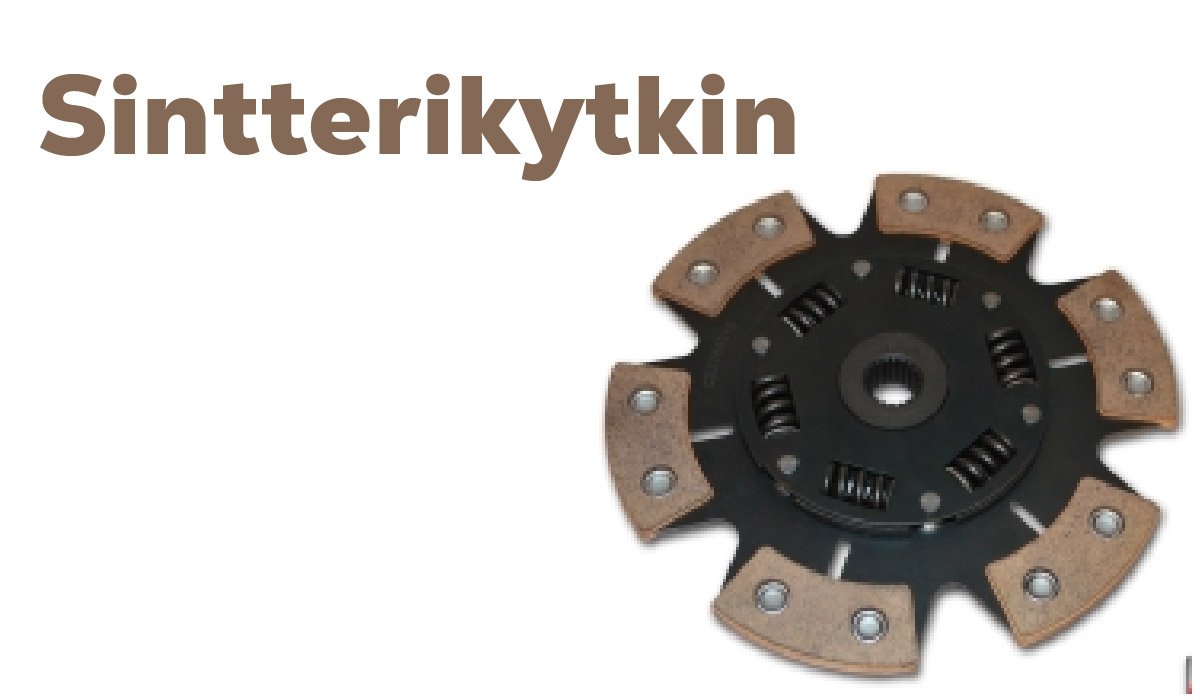
What Is a Sintterikytkin?
A sintterikytkin—the Finnish term for a sintered clutch—is a high-performance clutch system made from compressed and heat-fused metallic compounds, designed to handle extreme stress, heat, and torque far beyond the capabilities of standard organic clutches. In motorsport and heavy-duty tuning, this clutch type is a vital upgrade when power levels surpass what the factory clutch can tolerate. Rather than using traditional organic linings, a sintterikytkin uses metal-based friction surfaces, often formed from bronze, brass, or ceramic-metallic powder that’s sintered under high pressure and temperature.
This creates a much harder, more durable material capable of gripping aggressively and consistently, even during high-rev launches, repeated clutch kicks, or aggressive downshifting. Its heritage is embedded deeply in Finnish motorsport circles and global performance tuning culture, where reliability under stress is non-negotiable. While it offers unparalleled grip and heat resistance, it also introduces rougher engagement and demands more from the rest of the drivetrain. For these reasons, the sintterikytkin is typically favored by racers, drift enthusiasts, and tuners pushing their builds beyond street-level performance.
Why Sintterikytkin Matters in Performance Builds
“Power is useless if it can’t reach the wheels.” This is the core reason why choosing the right clutch is just as critical as tuning your turbo or installing a bigger intercooler. The clutch is the mechanical link between your engine and the transmission. If it slips, fades under heat, or wears prematurely, all the power your engine generates gets lost before it hits the ground. Standard clutches—particularly organic ones—are built for comfort and gradual engagement, not for aggressive launches or repeated high-rpm shifting.
As soon as a build passes stock horsepower thresholds, the organic clutch becomes a bottleneck. This is where the sintterikytkin becomes essential. It transforms the drivetrain into a high-response, high-durability system capable of transferring immense torque reliably without overheating or wearing out after a few track days. Whether in a 600-horsepower drift missile or a rally car taking brutal jumps, the sintterikytkin ensures performance modifications are actually delivered where they matter most: the wheels.
How a Sintterikytkin Works
Sintered Metal Technology Explained
At its core, a sintterikytkin relies on sintering technology—a manufacturing method where powdered metals such as copper, bronze, or ceramic-metallic mixtures are compressed under enormous pressure and then fused with heat. This process produces a clutch friction surface that is significantly denser and more heat-resistant than anything used in traditional organic or ceramic clutches. Sintered discs don’t rely on adhesives or resins that degrade under heat.
Instead, the metal particles are bonded at a molecular level, resulting in a material that maintains a consistent grip even at temperatures exceeding 500°C. Compared to organic clutches, which fade when hot and degrade quickly under high loads, sintered clutches remain stable and reliable—perfect for the extreme conditions of motorsports or heavy towing.
Mechanical Operation Inside the Transmission
Functionally, a sintterikytkin performs the same task as any clutch: engaging and disengaging the connection between the engine and gearbox. However, how it engages is dramatically different. While organic clutches offer smooth, gradual engagement, sintered clutches grab almost instantly—more like a switch than a sliding scale. This leads to faster gear changes and stronger launch control, but makes casual driving more difficult. Many sintterikytkin setups use multi-puck designs (e.g., 4- or 6-puck), which provide faster heat dissipation and more aggressive engagement zones.
These pucks are often arranged in a way that reduces weight while concentrating pressure, which benefits high-rpm shifts. Some also feature multi-plate setups, especially in extreme builds exceeding 600–800 horsepower, where one disc is no longer enough.
Key Advantages of Using a Sintterikytkin
High Torque Handling Capacity
One of the biggest reasons to choose a sintterikytkin is its ability to handle extreme torque loads—often exceeding 600Nm without slipping. For turbocharged or supercharged engines, this is critical. Once boost hits, torque skyrockets, and a traditional clutch will struggle or fail entirely. A sintered clutch bites hard and holds on, delivering that force directly to the gearbox without hesitation. This makes it ideal for drag racing, drifting, and high-power rally builds.
Heat Resistance & Fade-Free Performance
Heat is the number one killer of clutches—and the sintterikytkin is built to resist it. Repeated launches, quick downshifts, or intense track use generate enormous frictional heat. An organic clutch will glaze, slip, and eventually disintegrate under such abuse. A sintterikytkin, however, is engineered to maintain friction under extreme heat, avoiding fade and delivering consistent grip no matter how hot it gets. This heat resistance gives drivers a crucial edge, especially in endurance racing or when clutch kicking in drifting.
Durability Under Stress
Unlike regular clutches that wear down quickly under load, sintterikytkin units are known for outstanding durability in punishing environments. The sintered pads can withstand thousands of harsh launches without losing performance. This makes them especially popular in rallying and hill climbs, where the terrain and conditions punish every drivetrain component. While the upfront investment is higher, the long-term value of reduced replacements and downtime is hard to ignore for any serious driver.
Drawbacks and Real-World Limitations
Harsh Engagement & Driving Feel
The most immediate downside of the sintterikytkin is engagement harshness. Unlike soft, forgiving organic clutches, a sintered clutch grabs suddenly. This on/off engagement leads to jerky starts, difficult hill launches, and discomfort in traffic. For daily driving, especially in cities, this can become exhausting. Beginners often stall or experience excessive clutch judder until they learn the technique, making it impractical for new drivers or those seeking comfort.
Increased Wear on Drivetrain
Because a sintterikytkin engages with such authority, it places increased mechanical stress on the drivetrain. Gearboxes, differentials, driveshafts, and even motor mounts can experience accelerated wear if not upgraded accordingly. A weak link in the system—like a stock driveshaft—may fail under the pressure, leading to expensive repairs. While this doesn’t make the sintterikytkin dangerous, it requires careful planning and proper drivetrain reinforcement.
Cost vs Convenience for Daily Drivers
A high-quality sintterikytkin clutch kit can cost two to three times more than an organic clutch. For non-competitive drivers or lightly tuned cars, this price isn’t justified. Unless you’re racing or towing heavy loads regularly, the added discomfort, drivetrain strain, and installation cost can outweigh the benefits. It’s not just a matter of buying the clutch—supporting upgrades (flywheel, bearings, hydraulic lines) often push total costs higher.
Types of Sintterikytkin Systems
Sprung vs Unsprung Hubs
Sprung hub clutches feature internal springs that dampen the shock of engagement. These are more street-friendly and reduce transmission shock, making them suitable for dual-use cars. Unsprung hubs eliminate these springs for maximum response—favored in pure race cars where every millisecond counts. Unsprung setups are lighter but introduce more drivetrain vibration and noise.
Single Disc vs Multi-Plate Designs
Single-disc sintered clutches are common for builds up to 500–600 hp. Beyond that, multi-plate clutches are used to spread the load, increase surface area, and reduce wear. A twin-disc 6-puck sintterikytkin setup is common in AWD drag builds or high-powered drift cars. The more aggressive the design, the less comfortable it becomes on the street.
Notable Brands and Finnish Sources
Brands like Sachs, ACT, Exedy, and Tilton offer race-proven sintered clutch systems. In Finland, JM Tuonti and Tarvikemotti are well-regarded sources for both OEM replacements and upgraded performance clutches. Popular forums like OpelClub.fi and FFP are filled with feedback, installation tips, and reviews from Finnish and Scandinavian drivers who rely on sintered clutches for snowy, rugged, or track environments.
Sintterikytkin vs Other Clutch Types
| Feature | Organic Clutch | Ceramic Clutch | Sintterikytkin |
|---|---|---|---|
| Torque Capacity | Low–Moderate | Moderate–High | Very High |
| Heat Resistance | Low | Medium | Extremely High |
| Street Comfort | High | Medium | Low |
| Longevity Under Load | Low | Moderate | High |
| Cost | $–$$ | $$ | $$$ |
| Engagement Feel | Smooth | Slightly Harsh | Very Harsh |
While organic clutches are great for commuting and casual performance, they simply can’t withstand the heat or pressure of real motorsport. Ceramic clutches offer a middle ground with better heat tolerance and a manageable driving feel. But when nothing less than the best will do, the sintterikytkin remains the top-tier choice for ultimate durability and torque control—at the cost of comfort.
When to Use a Sintterikytkin (and When Not To)
Best Use Cases
Use a sintterikytkin when:
-
You’re building a high-torque engine (400+ hp)
-
You participate in drag racing, drifting, or rallying
-
You tow heavy loads with consistency and need a clutch that won’t fade
-
You value grip and heat resistance over comfort
When to Avoid It
Avoid a sintterikytkin if:
-
You drive daily in stop-and-go traffic
-
Your car makes less than 250 hp and is stock geared
-
You’re new to performance driving and want smooth, predictable control
-
You prefer comfort over raw performance
Choosing the Right Sintterikytkin for Your Build
Choosing the right sintterikytkin requires attention to detail:
-
Match the clutch’s torque rating to your engine’s output (add a safety margin)
-
Select sprung vs unsprung based on use-case (street vs track)
-
Consider disc diameter, flywheel compatibility, and input shaft spline count
-
Always check vendor fitment charts—especially when buying from specialty Finnish stores
Consult forums, mechanics, and other drivers with similar builds to avoid missteps.
Installation, Break-In, and Care Tips
Why Professional Installation Matters
Precision matters. Even slight misalignment during install can destroy a sintered clutch or damage the gearbox. Always ensure throw-out bearing clearances are correct and that the clutch disc seats properly. Use trusted installers experienced with performance clutches.
Proper Break-In Procedure
Most sintterikytkin systems require a 300–500 km break-in period with light use. Avoid full-throttle launches or aggressive shifting. This allows the sintered surface to properly bed into the flywheel. Skipping this step results in uneven wear and poor performance.
Maintenance Practices
Routine checks help extend lifespan:
-
Look for hot spots on the flywheel
-
Avoid excessive feathering/slipping
-
Use performance-grade gear oils
-
Address drivetrain vibrations immediately to avoid secondary damage
Real Driver Experiences and Community Feedback
Finnish drivers on OpelClub.fi and FFP forums often report that sintterikytkin clutches feel abrupt at first but become manageable after a short adaptation period. Some prefer jousitettu (sprung) variants for street use, noting smoother starts and less drivetrain shock. Many say that after about a week, they adjusted and now wouldn’t go back to organic clutches for performance use. Common sentiments include: “Normal clutches just slip; the sintterikytkin bites hard every time.”
Cost Breakdown and Value Proposition
General Price Ranges
-
Entry-level sintered kits: €400–€700
-
Mid-range performance kits: €800–€1,200
-
Full race twin-disc setups: €1,500–€3,000+
Value vs Investment
While expensive upfront, the reliability and durability of a sintterikytkin can save money in the long run—especially in motorsport, where a failed clutch can cost a race win or damage other components. For committed tuners and racers, the investment often pays for itself in confidence and performance.
Final Verdict
The sintterikytkin is not for everyone—but for the right driver, it’s unbeatable. If your build is high-powered, competition-focused, or stress-tested regularly, the sintered clutch will provide durability, torque grip, and peace of mind. However, for casual driving, it can be overkill—uncomfortable, noisy, and expensive. The key is to match the clutch to your purpose. With careful selection, proper installation, and responsible driving, a sintterikytkin becomes more than just a clutch upgrade—it becomes the backbone of a performance-ready powertrain built to win.
FAQs About Sintterikytkin
1. What is a Sintterikytkin?
A sintterikytkin is a sintered metal clutch made by compressing and heating metallic compounds like copper or bronze. It is designed for high-performance cars, offering strong grip, excellent heat resistance, and durability under extreme conditions such as racing or heavy towing.
2. What are the main benefits of a Sintterikytkin?
The main benefits of a sintterikytkin include superior torque handling, resistance to heat and fading, and long-lasting performance under stress. It ensures that engine power is efficiently transferred to the wheels, making it ideal for turbocharged, tuned, or competition vehicles.
3. Can I use a Sintterikytkin for daily driving?
Yes, but it is not recommended for everyday traffic. A sintterikytkin engages very quickly and can feel harsh or jerky in stop-and-go driving. It is best suited for motorsport, track days, or high-power builds where smooth comfort is not the priority.
4. How long does a Sintterikytkin last?
When installed and used correctly, a sintterikytkin can last much longer than an organic clutch under high stress. Its lifespan depends on driving style, vehicle power, and proper maintenance, but many users report excellent durability over thousands of hard launches or races.
5. How much does a Sintterikytkin cost?
The price of a sintterikytkin depends on the brand and performance level. Basic kits start around €400, mid-range options cost between €800 and €1,200, and advanced multi-plate racing setups can reach €3,000 or more.
You may also read: Blabladevava: The Inspiring French Creator Redefining Real Life Online
For More Visit Newsmassive