
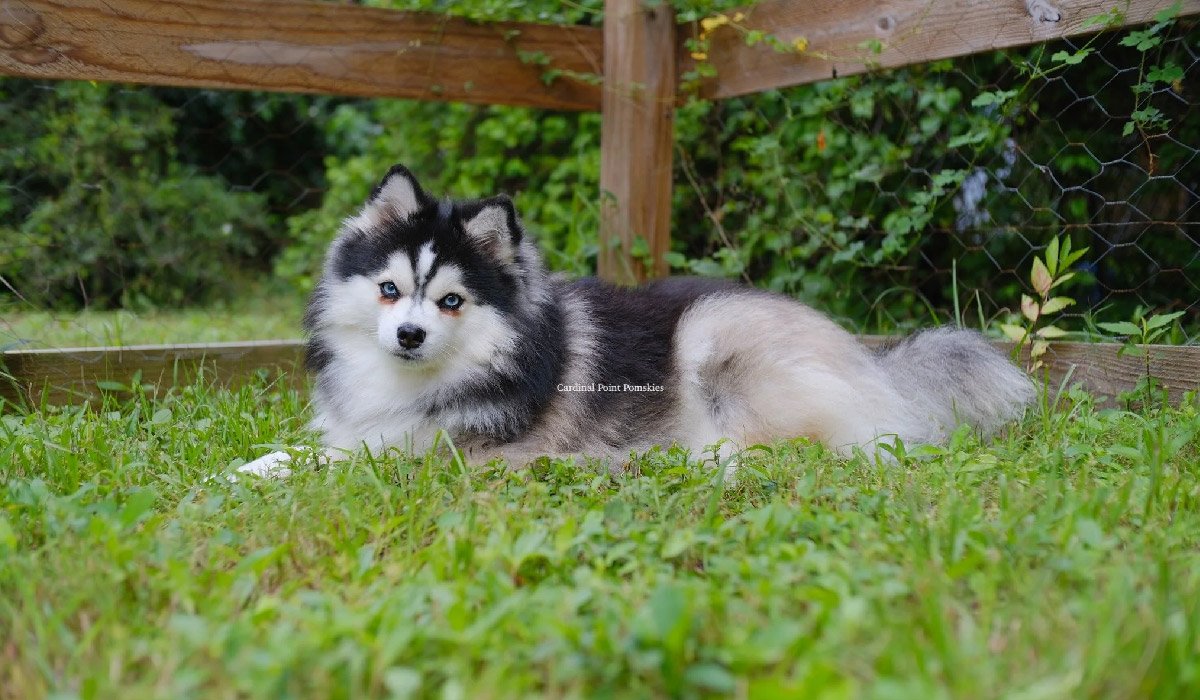
What Is a Pomerusky?
A Pomerusky is a captivating hybrid dog breed created by crossing the energetic Siberian Husky with the charming and compact Pomeranian. This unique combination results in a designer dog that is not only physically stunning—with its luxurious coat and striking eyes—but also emotionally engaging, offering a blend of intelligence, loyalty, and spunk. But beyond the realm of dog lovers, “Pomerusky” is also a rising cultural term. It’s being adopted in branding, fashion, and digital aesthetics as a symbol of creativity, hybrid identity, and expressive individuality.
Whether you’re drawn to the Pomerusky as a pet or intrigued by its evolving meaning in the world of art and online culture, this term now represents a dual narrative—part real-life companion, part metaphor for innovation. In this guide, we’ll explore every aspect of the Pomerusky, from its physical traits and training needs to its cultural symbolism and future potential.
Origins and History of the Pomerusky
The Pomerusky emerged from the designer dog movement that gained popularity in the early 2000s and exploded in the 2010s. The goal was to blend the striking good looks and intelligence of the Siberian Husky with the manageable size and spirited nature of the Pomeranian. Since these two breeds differ significantly in size, breeders usually use artificial insemination, with the larger Husky as the mother to ensure a safer birth process. Most first-generation (F1) Pomeruskies result from this process, and later generations (F2, F3) are bred to achieve greater consistency in traits.
Despite their popularity, Pomeruskies are not officially recognized by major kennel clubs like the AKC, meaning breed standards can vary. This unpredictability, however, is part of the appeal for many prospective owners who value the blend of uniqueness and personality that this hybrid offers.
Physical Characteristics of a Pomerusky
Visually, the Pomerusky is one of the most stunning hybrid breeds, often compared to a living teddy bear or mini wolf. Depending on genetic inheritance, they typically weigh between 7 to 25 pounds and measure around 10 to 15 inches tall at the shoulder. First-generation Pomeruskies tend to vary widely in appearance, while second- and third-generation dogs show more uniformity in build and coat type. Their plush double-layered coats come in colors like black, white, cream, red, sable, or even multi-colored patterns, often mimicking the Siberian Husky’s striking mask markings.
One of their most iconic features is their eye color, which can range from deep brown to icy blue, or even heterochromatic—where each eye is a different color. Their ears are generally erect and alert, and their face can exhibit either the fox-like expression of a Pomeranian or the sleek, angular lines of a Husky. Every Pomerusky is visually unique, making them highly photogenic and desirable among pet lovers and influencers alike.
Temperament and Personality Traits
When it comes to personality, the Pomerusky is a bold blend of brains, sass, and affection. From the Husky side, they often inherit a high energy level, a strong prey drive, and a tendency to be vocal—howling, yodeling, or “talking” in amusing ways. From the Pomeranian lineage, they gain a sense of alertness, loyalty, and a small-dog attitude that makes them feel larger than life. These dogs are affectionate and tend to form strong bonds with their families, but they can also be stubborn, independent, and even mischievous without proper training.
Early socialization is critical to prevent issues like small dog syndrome, separation anxiety, and reactivity toward strangers or other pets. When properly trained and mentally stimulated, a Pomerusky is a delightful, entertaining, and emotionally intelligent companion that brings daily joy and activity into any home.
Grooming and Coat Maintenance
Owning a Pomerusky means committing to regular grooming, as their dense double coat sheds heavily—especially during spring and fall. Brushing 3–5 times a week is necessary to prevent matting, remove loose fur, and distribute natural oils. During shedding seasons, daily brushing with tools like an undercoat rake and slicker brush becomes essential. Bathing should occur every 6 to 8 weeks, and it’s important to use dog-safe shampoo to avoid skin irritation.
Don’t neglect nail trimming, ear cleaning, and dental hygiene, as small breeds like Pomeranians are prone to dental issues. Professional grooming is often recommended every 2 to 3 months to maintain coat shape and hygiene. The grooming process may be time-consuming, but it strengthens the bond between dog and owner while keeping the Pomerusky looking and feeling their best.
Training a Pomerusky – Smart Yet Stubborn
Training a Pomerusky is a journey that requires patience, consistency, and creativity. These dogs are highly intelligent and learn commands quickly, but they’re also independent and may test boundaries if they’re bored or not sufficiently challenged. Positive reinforcement methods—using treats, praise, and play—work best. Harsh discipline can lead to trust issues and behavioral setbacks. Crate training is highly recommended, as it provides a secure space and aids in housebreaking. Start with basic obedience (sit, stay, come) and gradually incorporate impulse control exercises, leash training, and social behavior.
Keep sessions short and engaging to maintain their interest, and always end on a positive note. Consistent structure will help bring out the best in your Pomerusky and curb undesirable behaviors like excessive barking or destructive chewing.
Exercise and Lifestyle Requirements
Despite their smaller size, the Pomerusky has substantial exercise needs. They require at least 45 to 60 minutes of physical activity daily to remain mentally and physically healthy. This can include walks, agility play, fetch, scent games, or interactive puzzle toys. Inactivity or lack of stimulation can lead to frustration, barking, chewing, and escape attempts—especially in dogs with stronger Husky genes. While they can adapt to apartment life, they thrive in homes where they have access to secure outdoor spaces and regular engagement with their humans. If you lead an active lifestyle and enjoy being outdoors, a Pomerusky will be a joyful and energetic companion ready to keep pace with you every step of the way.
Health Issues and Lifespan
Like any hybrid, the Pomerusky benefits from genetic diversity but is still prone to health issues inherited from either parent breed. Common concerns include luxating patellas, hip dysplasia, cataracts, progressive retinal atrophy (PRA), dental disease, and skin allergies. Reputable breeders perform genetic testing to reduce the risk of inherited diseases and ensure healthier litters. Preventive care is key—this includes regular vet visits, vaccinations, dental cleanings, and parasite prevention. The average lifespan of a Pomerusky is 12 to 15 years, but with proper care, some can live even longer. Aging dogs may require dietary adjustments, joint supplements, and more frequent health monitoring. Regular grooming also helps detect skin problems or lumps early, contributing to a healthier and longer life.
Feeding and Nutrition
Feeding your Pomerusky a balanced, high-quality diet is essential for their well-being. Puppies should eat 3–4 meals per day, while adults do well on two meals daily. Choose foods high in protein, with moderate fats and minimal fillers. Watch out for common allergens like chicken, beef, or grains, as Pomeruskies can have food sensitivities. Symptoms of allergies include itching, gastrointestinal upset, and ear infections. Portion control is vital, as both parent breeds can be prone to obesity. Consult your veterinarian to determine calorie needs based on your dog’s age, size, and activity level. Don’t forget to provide fresh water and limit treats to 10% of their daily intake.
Pomerusky vs Pomsky – Is There a Difference?
The terms Pomerusky and Pomsky are often used interchangeably, both describing the Pomeranian-Husky hybrid. However, some breeders and communities differentiate them slightly. “Pomsky” is widely used for F1 (first-generation) hybrids, while “Pomerusky” is increasingly adopted to describe later generations (F2/F3) or as a brand-inspired term. It’s also gaining popularity as a cultural identity, representing more than just the dog. Regardless of terminology, buyers should verify lineage, generation type, and health clearances. Knowing whether a dog is F1 or multi-gen helps set expectations around size, coat, and temperament, making it easier to find a Pomerusky that fits your lifestyle.
How Much Does a Pomerusky Cost?
A Pomerusky is a premium designer dog, and the cost reflects that. Expect to pay anywhere from $1,000 to $3,500 or more, depending on eye color, coat pattern, generational pedigree, and breeder reputation. Dogs with rare features like heterochromatic eyes or mask-like markings may command higher prices. Beyond the purchase price, owners should plan for monthly expenses of $100–$250 for food, grooming, toys, vet visits, and pet insurance. Avoid unethical breeders or puppy mills offering low prices with no health testing. Ethical breeders prioritize socialization, vaccinations, and breed health—offering long-term value and peace of mind.
Is the Pomerusky Right for You?
The Pomerusky is not a couch-potato dog nor a hands-off pet. Ideal owners are active, experienced, and enthusiastic about training, grooming, and bonding. This breed does best in homes with flexible schedules and a commitment to daily interaction. It’s not ideal for individuals who are away from home for long hours or who prefer low-maintenance pets. If you have children, ensure they understand how to handle a small dog respectfully. With the right owner, a Pomerusky offers years of joyful companionship, emotional depth, and stunning aesthetics that turn heads wherever you go.
The Cultural and Artistic Side of “Pomerusky”
Interestingly, Pomerusky is evolving into more than just a breed name. On platforms like TikTok and Instagram, the term is being used as a digital identity, hashtag, and even aesthetic movement. It carries a whimsical, Slavic-inspired flair that blends old-world charm with modern creativity. Some artists and designers have adopted “Pomerusky” as a label for fashion, visual art, or storytelling concepts that celebrate hybridity and transformation. In this sense, the Pomerusky reflects our cultural fascination with blends—between tradition and technology, beauty and utility, pet and persona. It’s a name that’s starting to stand for more than just a dog—it’s becoming a brand in its own right.
Living with a Pomerusky – Daily Routine
Daily life with a Pomerusky is active, affectionate, and never boring. A typical routine includes a morning walk or potty break, playtime or mental games around midday, training sessions in the evening, and lots of cuddles in between. Grooming may take 15–30 minutes a few times a week, especially during shedding seasons. They enjoy being part of the action—whether that’s a family dinner, a jog around the block, or a cozy movie night. Traveling with a Pomerusky requires preparation, but their size makes them good companions on road trips if their needs are met. Through every season and life stage, this breed thrives on connection and purpose.
Myths and Realities of the Pomerusky
Many people assume that a Pomerusky is just a “mini Husky” or that it’s low-maintenance because of its size. In reality, these dogs need as much—if not more—care than larger breeds. Their grooming demands are high, their personalities are complex, and their energy needs are significant. Others believe they’ll be small forever, but genetics can surprise you—some Pomeruskies reach 25 pounds or more. The key to success is doing your research and embracing the full reality of this hybrid. If you’re prepared, you’ll gain a deeply rewarding companion with personality, looks, and heart.
Finding and Choosing a Pomerusky
If you’re ready to welcome a Pomerusky into your life, start by researching reputable breeders. Look for health certifications, early socialization, transparent pricing, and willingness to answer questions. Meet the puppy’s parents if possible and avoid breeders who rush you or lack documentation. Adoption is also a great option—Pomsky rescues and breed-specific groups may have Pomeruskies in need of homes. Whether you buy or adopt, make sure it’s a lifelong decision based on love, readiness, and responsibility.
Final Thoughts
The Pomerusky is more than a designer dog—it’s a modern symbol of creativity, connection, and individuality. Whether admired for its beauty, embraced for its personality, or reimagined as a cultural icon, this hybrid dog captures something rare and valuable: the magic that happens when opposites combine. Choosing a Pomerusky means choosing joy, challenge, and transformation. It’s a commitment—but one that rewards you with endless love, vibrant companionship, and the chance to experience something truly extraordinary.
FAQs About Pomerusky
1. What is a Pomerusky?
A: A Pomerusky is a hybrid dog breed created by crossing a Pomeranian with a Siberian Husky. Also called a Pomsky, this designer dog is known for its fluffy double coat, striking blue or mixed-colored eyes, and playful personality. Pomeruskies are intelligent, affectionate, and popular on social media for their cute appearance.
2. How big does a Pomerusky get?
A: Most Pomeruskies grow to be between 7 and 25 pounds and stand about 10 to 15 inches tall. Their size depends on which parent breed is more dominant in their genetics. First-generation Pomeruskies may vary more in size, while later generations tend to be more consistent.
3. Are Pomeruskies good for families?
A: Yes, Pomeruskies can be great family pets when properly trained and socialized from a young age. They are loyal, friendly, and enjoy being around people. They do well with children and other pets, but they need daily attention, playtime, and mental stimulation to stay happy.
4. Do Pomeruskies shed a lot?
A: Yes, Pomeruskies shed heavily due to their thick double coat. They require regular brushing—at least 3 to 5 times a week—and even daily during shedding seasons in spring and fall. Grooming helps keep their fur clean, healthy, and reduces shedding in your home.
5. How much does a Pomerusky cost?
A: A Pomerusky puppy can cost between $1,000 and $3,500, depending on coat color, eye type, breeder reputation, and pedigree. Monthly care expenses, including food, grooming, and vet visits, can range from $100 to $250. Always buy from ethical breeders who perform health checks.
You may also read: Brandi Loge: The Inspiring Power Behind Creative Change
For More Visit Newsmassive