
What Is Microwey?
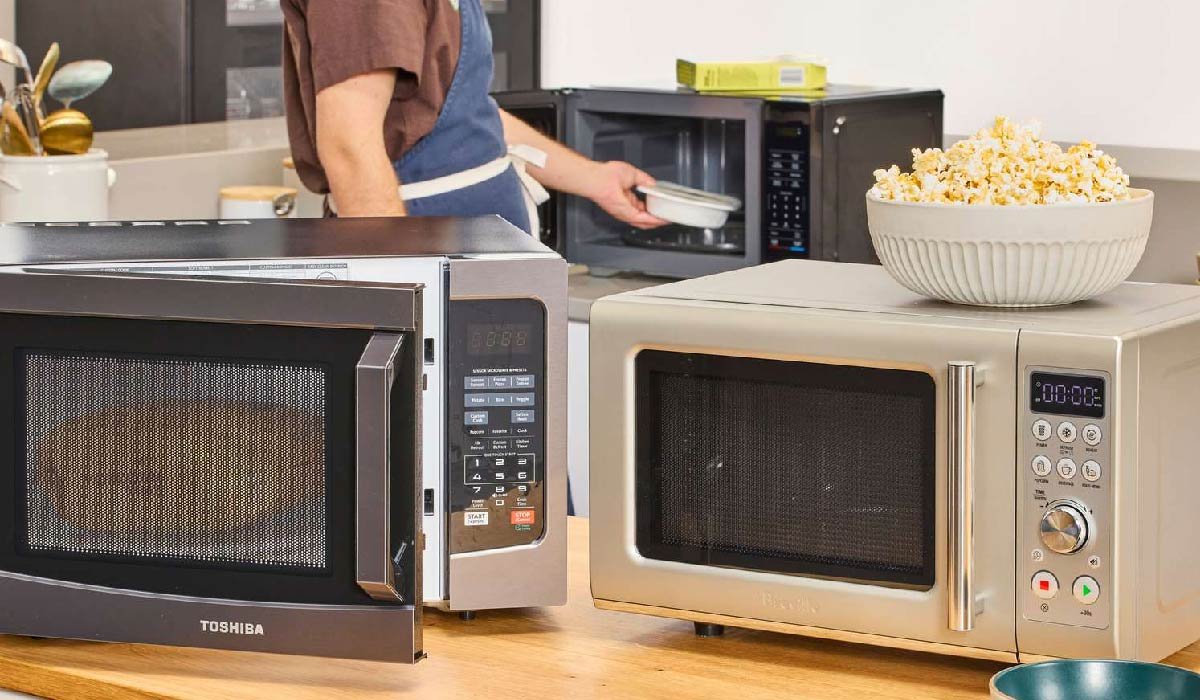
Microwey is a modern term that represents far more than just a microwave oven. While it may sound like a playful or informal spelling of “microwave,” its usage has evolved to include multiple meanings. First, Microwey is commonly used as a nickname for microwave ovens—those essential kitchen appliances that heat food using electromagnetic waves. Second, Microwey is gaining traction as a digital lifestyle concept, symbolizing efficiency, creativity, and innovation in both home tech and personal productivity.
Third, the term “Microwey” also pops up in online marketplaces like OfferUp or Revolico, usually labeling secondhand or generic microwave units. This diverse usage makes “Microwey” not just a name but a symbol of modern convenience, repurposing, and digital identity. In this article, we’ll explore all these layers—practical, conceptual, and cultural—behind the word “Micro wey,” offering everything from how microwave ovens work to how this term might evolve into a tech-forward lifestyle brand.
The Origins and Etymology of “Microwey”
The word “Microwey” is derived from the more familiar term “microwave,” but its spelling gives it a casual, approachable feel. It’s the kind of word that might pop up in an online ad, a WhatsApp message, or even in regional dialects where phonetics influence spelling. This phenomenon is common in internet culture—similar to how “cellfone” is used instead of “cell phone” or “techy” instead of “technology enthusiast.”
These variants often become standalone identifiers. In the case of “Microwey,” we also see a symbolic breakdown: “Micro” refers to smallness, precision, and efficiency, while “Wey”—a stylized form of “way”—suggests method, pathway, or approach. Together, “Micro wey” becomes a phrase that suggests a compact, effective way of doing things, whether in cooking, lifestyle design, or technological application. This combination of literal and metaphorical meaning is part of why the term resonates across different contexts.
How a Microwey (Microwave Oven) Works
Despite appearing simple, a Microwey (microwave oven) operates on sophisticated science. At its core is a component called a magnetron, which transforms electricity into microwave radiation. These invisible waves then bounce around inside the metal chamber of the oven. When they strike the food, they excite water, sugar, and fat molecules, causing them to vibrate rapidly.
This molecular movement produces dielectric heating, which warms the food from the inside out. Unlike ovens that heat air and then warm food, microwaves penetrate the food directly for faster results. Some modern microwey units are equipped with inverter technology, which allows for precise control over power levels. This prevents common issues like partially cooked edges and frozen centers when defrosting meat. The ability to heat efficiently and safely, with minimal energy waste, is what makes microwave ovens one of the most revolutionary kitchen inventions of the last century.
A Brief History of the Microwave
The Microwey’s origin dates back to the 1940s, when engineer Percy Spencer, while working at Raytheon on radar technology, discovered that a candy bar in his pocket had melted during testing. Intrigued, he experimented with popcorn and eggs, confirming that microwave radiation could cook food. This led to the creation of the first commercial microwave oven, known as the Radarange, which was large, expensive, and used mainly in industrial settings.
By the 1960s, smaller commercial units began to appear in restaurants. It wasn’t until the 1970s and 1980s that technological advancements and cost reductions brought microwaves into the average home. The evolution continued into the 2000s, with models offering digital displays, programmable buttons, smart defrost settings, and even convection features. Today, the Microwey is not only commonplace in kitchens but also found in dorms, offices, and hotels, making it a universal appliance with global impact.
Different Types of Microweys (Ovens)
Modern Microwey ovens come in several styles to fit different kitchen layouts and usage needs. Countertop Microweys are the most common, offering flexibility, affordability, and ease of use. Over-the-Range Micro weys are installed above stovetops and often include ventilation systems, ideal for saving counter space in smaller kitchens. Built-in Micro weys are integrated into cabinetry and offer a sleek, modern look, often at a higher price point.
Then there’s the innovative Microwey Drawer, which slides out like a cabinet drawer and is popular in luxury kitchens for its ergonomic design. Finally, Micro wey Convection Ovens combine traditional microwave heating with convection air circulation, enabling baking, roasting, and grilling—all in one unit. Whether you’re a student in a dorm or a gourmet home chef, there’s a micro wey type designed for your needs.
Practical Everyday Uses of a Microwey
The versatility of the Microwey is what makes it such an essential part of modern life. It goes beyond reheating cold coffee or last night’s leftovers. I personally use mine every morning to warm oatmeal and steam vegetables without needing a stovetop. In college, it was my go-to for quick ramen, reheated pizza, and instant mug cakes. You can also use it to boil water, melt butter for baking, defrost frozen meats, or even make scrambled eggs in a cup.
In offices, it keeps productivity high by providing fast meals. In dorms, it replaces a full kitchen. From solo living to family households, the microwey is the unsung hero of everyday cooking. The fact that you can perform all these tasks without lighting a stove or preheating an oven is a testament to its convenience and time-saving capabilities.
Benefits of Using a Microwey
There are numerous benefits to using a Microwey, starting with speed. Meals that might take 30 minutes in an oven are often done in 3–5 minutes. Second, the energy efficiency is unmatched—since it heats food directly and quickly, it uses far less electricity than traditional ovens. Third, micro wey units are generally safer to operate, as the outer casing remains relatively cool, reducing the risk of burns.
Fourth, they are nutrient-friendly—steaming vegetables with minimal water preserves vitamins better than boiling. Fifth, their compact size means they fit in apartments, dorms, and even RVs. And finally, microwey ovens are just easy to use—no flame, no wait time, just set the timer and press start. For those juggling work, family, and personal health, it’s an indispensable tool for modern life.
Microwey Myths and Safety Realities
Despite decades of safe usage, several myths still surround the Microwey. One common myth is that microwave ovens make food radioactive—completely false. Microwaves use non-ionizing radiation, which means they don’t alter the atomic structure of food or leave any residue. Another myth is that microwaves destroy nutrients.
In reality, because food is cooked faster and with less water, it often retains more nutrients compared to boiling. People also worry that all metals explode in the microwave, which is mostly true—but not always. Thin microwave-safe foil or utensils marked as microwave-safe can sometimes be used with caution. Manufacturers follow strict safety standards to ensure that any radiation leakage is far below harmful levels. In short, used correctly, Microweys are safe, efficient, and scientifically sound
Non-Cooking Uses of Microwave Technology
Microwaves, the electromagnetic waves used inside a Microwey, have uses far beyond cooking. They play a key role in radar systems used for aviation and weather prediction. In telecommunications, microwaves enable Wi-Fi, satellite transmission, and mobile signals. In medicine, they power diathermy machines used in physical therapy to treat muscle injuries by heating tissues. Even in astronomy, scientists study cosmic microwave background radiation to explore the origins of the universe. So, every time you heat soup or popcorn, you’re using the same core technology that powers global communication and scientific discovery. The micro wey isn’t just a kitchen gadget—it’s a gateway to a world of electromagnetic innovation.
Cleaning and Maintaining Your Microwey
Proper cleaning and maintenance of your Microwey not only extends its lifespan but also improves performance. A quick and effective method is to microwave a bowl of water with lemon slices or vinegar for five minutes. The steam loosens dried food and neutralizes odors, allowing for easy wipe-down. Always use microwave-safe containers and avoid covering vents. Inspect the door seal for damage—leaky doors reduce efficiency and can be unsafe. Never run the microwave empty, as this can damage the magnetron. And avoid using scouring pads or harsh chemicals inside the oven. A clean microwey is a happy micro wey—and a safer one too.
What Is “Microwey” in Online Listings?
In online marketplaces like OfferUp (USA) and Revolico (Cuba), “Microwey” often appears in listings for used microwave ovens. It may be a misspelling or local term, but it generally refers to affordable secondhand units. For example, a Las Vegas listing might show a $70 “Micro wey,” working but without brand details. In Cuba, a seller named “William” might offer a 20L unit for $125 USD. While these deals may seem like bargains, they come with risks like lack of warranty, vague condition reports, and potential electrical faults. It’s important to inspect before buying and use such units with caution—especially if safety certification is unclear.
Pros and Cons of Buying a “Microwey” from Listings
Buying a Microwey from secondhand platforms offers both advantages and risks. On the plus side, these units are cheaper, readily available, and support local sellers. You might even negotiate for a better price. However, the downsides are serious: no warranties, unclear specifications, and potential safety hazards. You won’t know how old the unit is, how often it’s been used, or whether it’s been repaired. Before purchasing, always ask about usage history, test basic functions, and check for physical damage. A good rule of thumb: if it sparks or smells odd, don’t use it. Even a cheap microve isn’t worth the risk of fire or electrical shock.
Microwey as a Conceptual Lifestyle Brand
Looking beyond appliances, Microwey holds potential as a lifestyle brand that symbolizes modern minimalism, productivity, and creativity. Think of it as a cross between a smart kitchen tool and a digital platform like Notion or Trello. The name itself is catchy, easy to remember, and has that tech-startup energy. Microve could be the name for a productivity app, a modular smart home brand, or a content platform for creative communities. It carries the essence of “small but powerful”—ideal for startups, designers, or lifestyle bloggers seeking a bold yet simple identity. Microwey isn’t just a name—it’s a vibe.
Future of Microwey: Smart Kitchens and Smart Living
Looking ahead, the future of Microwey is tied to the rise of smart kitchens and connected homes. Picture a micro wey that can recognize your food, auto-adjust cooking settings, or sync with your phone to give you cooking alerts. Features like voice control, app integration, and energy monitoring are already emerging. Sustainability will also play a role—expect solar-powered Microweys or models made with eco-friendly materials. If Micro wey becomes a brand, it could evolve into a digital hub for home innovation, wellness, and productivity, offering devices and tools that align with modern values: efficient, sustainable, and beautifully designed.
Quick Facts & Technical Glossary
-
Magnetron – The device that generates microwave energy
-
Dielectric Heating – Heating caused by molecular vibration
-
Non-Ionizing Radiation – Safe radiation that does not damage DNA
-
Inverter Technology – Allows precise temperature and power control
-
20L – A common size for compact microwaves, ideal for small spaces
Final Thoughts
Whether you see it as a household hero, a quirky product name, or the next lifestyle innovation, Microwey embodies the evolution of modern life. It blends functionality and symbolism, offering fast, safe cooking while hinting at broader digital and cultural trends. From secondhand deals to smart-home innovations, Micro wey is more than a term—it’s a lens into how we live, cook, and create in a fast-paced world. If you’ve only thought of it as a reheating tool, it’s time to reconsider. Micro wey might just be the future—in your kitchen, your phone, and your mindset.
FAQs about Microwey
1. What is Microwey?
Microwey is a modern word used to describe a microwave oven or a digital lifestyle idea focused on fast, smart, and creative living. It can also appear in online listings for secondhand microwaves.
2. Is Microwey the same as a microwave?
Yes, in most cases, Microwey is just another way of saying microwave. Some people use it as a nickname, while others use it when selling used microwave ovens online.
3. How does a Microwey heat food?
A Microwey uses microwave energy to make water and fat molecules in food vibrate. This creates heat from the inside, warming food quickly and evenly.
4. Is using a Microwey safe?
Yes, using a Microwey is very safe. It does not make food radioactive and follows strict safety rules. Just avoid metal and always use microwave-safe containers.
5. Can I buy a Microwey online?
Yes, you can find Microwey listings on sites like OfferUp or Revolico. These are usually secondhand microwaves, so check condition and safety before buying.
You may also read: Esséce: The Hidden Power of True Beauty and Authentic Living
For More Visit Newsmassive