
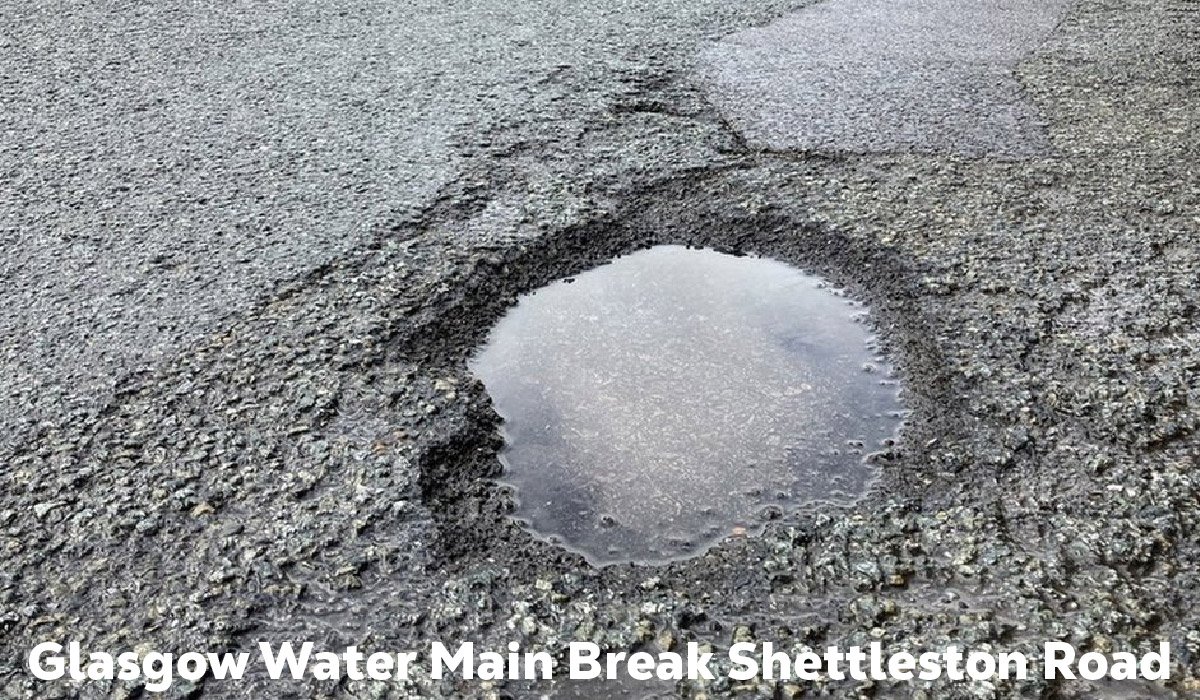
Introduction To Glasgow Water Main Break Shettleston Road
The Glasgow Water Main Break Shettleston Road incident in October 2025 has become one of the most striking reminders of the urgent challenges facing modern cities with aging infrastructure. Occurring in the East End of Glasgow, this large‑scale burst disrupted the lives of thousands of residents, commuters, and local businesses, demonstrating how one rupture beneath a busy street can paralyze an entire community. The event unfolded on Shettleston Road, a critical corridor connecting neighborhoods and serving as a major commuter route into the city. What began as a sudden underground failure quickly escalated into flooding, water shortages, and road closures that rippled across the G32 postcode area.
For city dwellers, policymakers, and transport planners alike, the episode underscored a pressing truth: maintaining water networks is not a luxury but a lifeline. This article explores the full story—what happened, how it affected daily life, why it occurred, what authorities did to fix it, and what lessons must shape the future of Glasgow East End infrastructure to prevent another water supply disruption in Glasgow.
What Happened on Shettleston Road?
The Timeline of Events
The Shettleston Road burst pipe incident was first reported early one morning in October 2025, when residents noticed a sharp drop in water pressure and, soon after, flooding along sections of the road. Within hours, water gushed onto the surface, turning portions of the street into shallow rivers that forced motorists to stop and pedestrians to retreat. Calls quickly flooded into Scottish Water, which dispatched emergency crews to isolate the main and investigate the source.
Traffic police cordoned off the affected stretch between Old Shettleston Road and Fernan Street as engineers began locating the rupture point. As valves were closed to stem the flow, entire blocks lost water pressure, leaving taps dry across the G32 and neighboring postcodes. Repair operations continued throughout the day and well into the evening, with partial restoration achieved after several hours and full normalization following overnight works. The incident’s swift escalation highlighted how even a localized failure in a major trunk main can cascade into a citywide service interruption.
The Location and Scale
Shettleston Road is more than a local street—it is a lifeline of Glasgow’s transport grid, carrying dense traffic volumes, connecting schools, shops, and residential estates, and linking the East End to the broader city. When the Glasgow Water Main Break Shettleston Road occurred, its strategic location magnified the disruption. Floodwater spread across lanes, damaging the tarmac and creating potholes, while nearby drainage struggled to handle the sudden deluge.
Businesses fronting the street had to shut their doors as water seeped onto pavements. In total, hundreds of homes and dozens of shops experienced direct effects, and thousands more felt indirect consequences through traffic congestion and delayed commutes. The magnitude of the event captured media attention across Scotland, quickly elevating it from a neighborhood problem to a regional infrastructure headline.
Impact on Residents and Daily Life
Water Outages and Quality Issues
For residents, the Glasgow Water Main Break Shettleston Road translated into hours without running water—an inconvenience that quickly became a daily‑life crisis. Families were unable to cook, wash, or even flush toilets comfortably. When water began returning, many reported discoloration: brown water caused by stirred‑up sediment and cloudy water from trapped air. Water supply disruption Glasgow not only interrupted routines but also raised hygiene and health concerns, especially for households with children or elderly members.
Scottish Water advised people to run the cold kitchen tap until water cleared and to avoid using appliances like dishwashers until full pressure stabilized. Simple tasks such as making tea or cleaning dishes suddenly required bottled water or trips to neighbors unaffected by the outage. The incident revealed just how invisible yet indispensable water infrastructure is to every home’s functioning.
Vulnerable Groups Affected
Vulnerability magnified the hardship. Elderly residents living alone and those with limited mobility faced particular challenges as they could not easily access alternative water sources. Families with infants struggled to maintain hygiene, and individuals with medical conditions dependent on clean water supply were placed in temporary distress. Community groups, recognizing these needs, organized local assistance—sharing bottled water, offering showers, and ensuring the most affected were supported.
The Shettleston Road burst pipe incident thus exposed the social layer of infrastructure reliability: when systems fail, it is often those least equipped who bear the greatest burden. The compassion shown among neighbors, however, was a bright counterpoint to the frustration, reminding the city that resilience lies as much in people as in pipes.
Commuter Chaos and Business Disruption
Road Closures and Traffic Delays
Transport paralysis followed swiftly after the burst. Police closed Shettleston Road between Old Shettleston Road and Fernan Street to enable repair crews to operate safely, diverting vehicles onto adjacent routes such as Westmuir Street. This diversion created tailbacks stretching for kilometers, particularly during rush hours. Journey times doubled, and buses operating through Glasgow’s East End had to reroute, causing missed connections and delays. For many workers and students, the Glasgow Water Main Break Shettleston Road turned a routine commute into an ordeal lasting several hours.
Public Transport and Access
Public transport companies scrambled to adjust schedules, while pedestrians struggled with blocked walkways and wet pavements. Delivery vehicles serving shops along Shettleston Road could not access premises, interrupting supply chains for bakeries, small supermarkets, and pharmacies. Even emergency vehicles faced slowed response times due to congestion. The event underlined how tightly interwoven transportation and utility networks are—when one fails, the other falters.
Economic Impact
Economically, the losses added up quickly. Businesses dependent on water—cafés, hair salons, and food outlets—had to suspend operations for safety reasons. Shops saw footfall plummet as customers avoided the closed street. For small proprietors already coping with high energy costs, even a day of lost revenue was significant. Meanwhile, the city council incurred costs for road repairs, cleanup, and traffic control. The Glasgow Water Main Break Shettleston Road thus rippled through both household budgets and local commerce, illustrating that infrastructure reliability is directly tied to economic vitality.
Why Do Water Mains Break?
The Role of Aging Infrastructure
The principal cause behind the Glasgow Water Main Break Shettleston Road lies in the city’s aging underground network. Much of Glasgow’s water infrastructure dates back decades, constructed with materials that, though durable for their time, were never meant to last indefinitely. Over years, corrosion weakens pipe walls, and constant water pressure tests every joint and valve. The historic layout of Glasgow’s urban planning complicates upgrades; pipes often run beneath busy roads or heritage zones, making preventive replacement costly and disruptive. As these networks age, the likelihood of cracks and bursts rises dramatically, especially when combined with heavy traffic vibration or extreme weather.
Other Contributing Factors
Multiple external and environmental factors also converge. Sudden pressure surges within the water system can strain already‑weakened sections. Ground movement—whether from construction work, subsidence, or even seasonal freeze‑thaw cycles—can shift soil around buried mains, causing stress fractures. Material fatigue accumulates over time, and sometimes the simple act of road resurfacing or excavation near a line can destabilize it. In the Shettleston Road burst pipe incident, experts suggest that a combination of age‑related deterioration and ground pressure from constant traffic likely triggered the rupture. The takeaway is sobering: in older cities, without systematic renewal, such events are not anomalies but inevitabilities waiting for the next weak spot to give way.
Emergency Response by Scottish Water
Immediate Action Taken
Within minutes of reports surfacing, Scottish Water mobilized emergency crews. Their first objective was to locate isolation valves to stop further water loss and reduce flooding. Coordination with local authorities ensured the scene was secured, and communications went out via social media, radio, and local news channels to inform residents. The response team worked under significant pressure, balancing the need to restore water quickly with the requirement to protect road users and crew safety. Despite heavy flooding, they succeeded in controlling the outflow and preventing damage to adjacent utility lines such as gas and telecommunications.
The Repair Process
Once the flow was contained, engineers excavated the damaged section, exposing the fractured main. They removed the compromised segment and replaced it with modern, corrosion‑resistant piping designed to handle higher pressures. Safety barriers and temporary lighting were installed to allow overnight work. Environmental teams managed runoff water to avoid contamination of nearby drains. Each step—inspection, removal, welding, pressure testing—had to meet strict safety standards before reconnection. The professionalism displayed during the Glasgow Water Main Break Shettleston Road response reaffirmed public trust in utility crews who often operate unseen beneath city streets.
Water Restoration Timeline
By rerouting supply through adjacent mains, Scottish Water restored service to many households within hours, though full pressure in directly affected zones took longer to return. Residents were advised that discoloration might persist briefly as the system cleared. In the following days, crews conducted additional checks to ensure stability and flushed the network to maintain quality. The efficiency of this process, while commendable, also demonstrated how reactive interventions—no matter how skillful—cannot substitute for proactive maintenance.
The Bigger Picture – Glasgow’s Water Infrastructure
Systemic Vulnerabilities
The Glasgow Water Main Break Shettleston Road forms part of a broader pattern facing many UK cities: infrastructure built for past generations now straining under modern demand. Urban expansion, heavier traffic loads, and climate‑driven stress events such as flooding or drought increase wear on old systems. Budget constraints often push long‑term renewal down the priority list, leaving utilities to patch problems as they arise. Glasgow’s water grid, while generally reliable, includes numerous mains laid before modern materials and monitoring technologies were available.
The Cost of Inaction
When pipes burst, the costs multiply—financially, environmentally, and socially. Emergency repair operations are far more expensive than scheduled replacements. Businesses lose revenue, commuters lose time, and public confidence erodes. Repeated incidents also damage roads, requiring resurfacing and further expense. The Glasgow Water Main Break Shettleston Road thus highlights that deferring investment in essential infrastructure can ultimately cost far more than proactive renewal.
Preventive Maintenance and Modernization
Early Detection and Monitoring
The path forward requires smart technology and data‑driven management. Utilities worldwide now use AI‑powered sensors and acoustic monitors to detect micro‑leaks or vibrations before they escalate. Implementing such smart water management systems in Glasgow could allow early intervention, reducing both cost and disruption. Real‑time dashboards and predictive analytics can pinpoint weak sections and schedule repairs strategically. These tools transform maintenance from reactive firefighting to preventative care.
Scheduled Replacements
Preventive strategies must also include targeted pipe‑replacement programs focusing on high‑risk areas like Shettleston Road. Mapping underground assets, assessing their age, and systematically upgrading them will strengthen network resilience. Funding remains a challenge; such projects require significant capital investment. Nonetheless, Scottish Water and city authorities recognize the necessity and have outlined long‑term plans for modernization aligned with Glasgow’s broader sustainability goals. The Glasgow Water Main Break Shettleston Road should accelerate these initiatives, turning lessons into lasting policy.
Lessons Learned from Shettleston Road
Every infrastructure failure teaches valuable lessons. First, transparency and communication are essential—timely updates helped residents manage expectations and safety. Second, continuous infrastructure audits can identify vulnerabilities before disaster strikes. Third, investment in technology must complement human expertise; no algorithm replaces skilled engineers on the ground. Finally, emergency preparedness plans—from road diversions to bottled‑water distribution—need regular rehearsals. The concept of infrastructure resilience must evolve from theory to everyday practice, ensuring the city can absorb shocks without paralysis. The Glasgow Water Main Break Shettleston Road serves as a textbook example for policymakers designing resilient, people‑centered cities.
Community Response and Resilience
Despite frustration, Glasgow’s East End residents showed remarkable solidarity. Social‑media groups coordinated updates, shared water supplies, and offered help to those in need. Schools and community centers temporarily stored bottled water, while local businesses donated supplies. These acts transformed crisis into collaboration, proving that resilience begins with community spirit. Public feedback also generated valuable dialogue about accountability and infrastructure priorities, encouraging urban planning in Glasgow that listens to its citizens. This communal energy can be harnessed to advocate for smarter, greener, and fairer urban investment.
Moving Forward – Building a Resilient Glasgow
To prevent future crises, Glasgow must balance immediate repair programs with visionary planning. Authorities should prioritize vulnerable networks, integrate sensor technology, and coordinate across agencies for efficient resource use. Education campaigns can teach residents how to respond safely during outages, further strengthening resilience. Long‑term, sustained funding and transparent progress reports will rebuild confidence. The Glasgow Water Main Break Shettleston Road can become the catalyst for a modernized, climate‑ready water system capable of serving the city for decades. Resilience must not be reactive; it should be embedded in design, governance, and community culture alike.
Conclusion
The Glasgow Water Main Break Shettleston Road was far more than a burst pipe—it was a warning bell for every modern city dependent on aging infrastructure. It disrupted homes, halted traffic, strained businesses, and exposed the vulnerabilities beneath our feet. Yet it also demonstrated the efficiency of emergency crews, the compassion of communities, and the resilience of Glasgow’s spirit.
The incident’s message is clear: investment in maintenance, modernization, and preventive innovation cannot wait. By transforming lessons learned into action, Glasgow can secure a future where clean water flows reliably, streets remain open, and citizens trust the systems that sustain their lives. A safer, smarter, and more resilient city begins with acknowledging that infrastructure is not invisible—it is the backbone of urban life, and protecting it protects everyone.
FAQs About Glasgow Water Main Break Shettleston Road
What caused the Glasgow Water Main Break on Shettleston Road?
The Glasgow Water Main Break Shettleston Road was caused by aging underground pipes that deteriorated over time. The old infrastructure likely cracked or corroded, and ground pressure or vibrations may have triggered the sudden rupture.
How did the Shettleston Road water main break affect residents?
The Shettleston Road burst pipe incident left many residents in Glasgow’s East End without running water. Some experienced low water pressure or discoloured water, which made it difficult to cook, clean, or maintain hygiene for several hours.
What areas were impacted by the Glasgow Water Main Break?
The Glasgow Water Main Break Shettleston Road mostly affected the G32 postcode area. Surrounding streets and neighborhoods in the East End also experienced water outages, traffic disruptions, and limited access to local shops and services.
How long did it take to fix the burst pipe on Shettleston Road?
Scottish Water crews responded quickly to the Glasgow Water Main Break Shettleston Road. They restored partial water service within a few hours, but full repairs and normal pressure took longer in the most affected areas.
What is being done to prevent future water main breaks in Glasgow?
To prevent more incidents like the Glasgow Water Main Break Shettleston Road, authorities are investing in pipe replacements, early detection technology, and long-term infrastructure upgrades to keep Glasgow’s water supply safe and reliable.
More Articles You May Read Also:
Szukkubusz Secrets: The Dark Myth That Still Captivates Minds
Sydneebeeyxo: The Inspiring Rise of a Relatable Digital Star
Scamiikely Explained: The Ultimate Guide to Staying Safe Online