
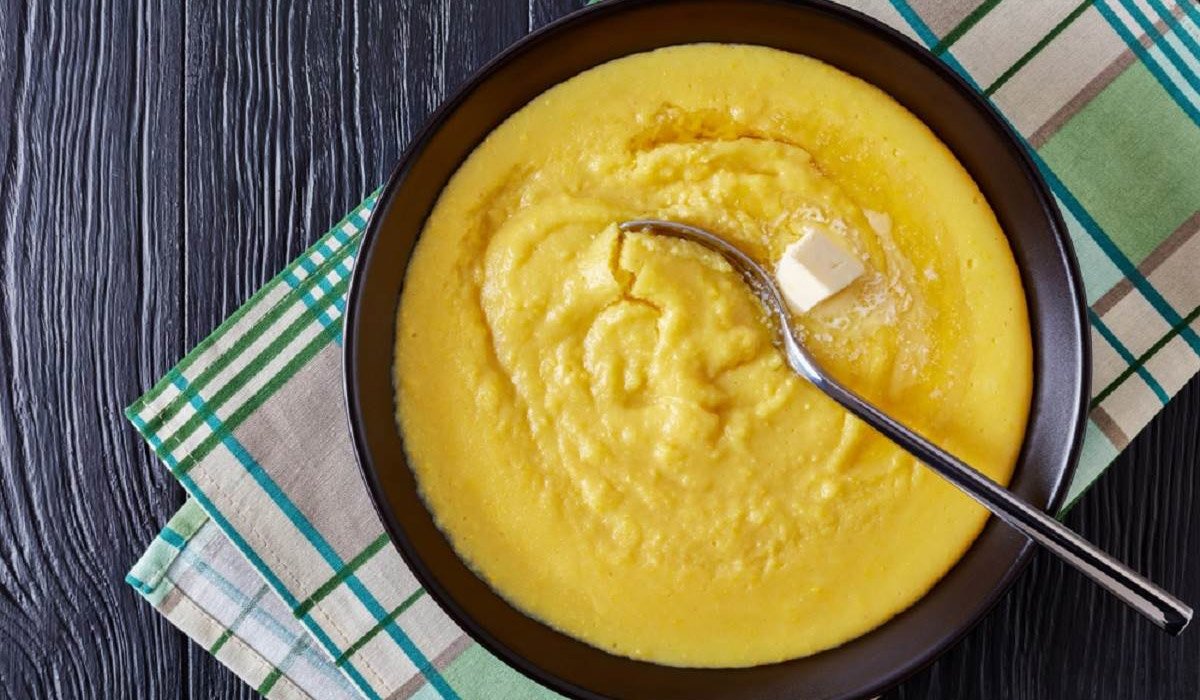
Palentu is a unique word that carries two completely different identities in today’s world—one rooted in centuries of culinary history and the other emerging from the fast‑moving landscape of digital innovation. On one side, Palentu refers to a traditional cornmeal dish enjoyed for generations across Europe, especially in the Balkans and Italy, where its creamy texture and comforting warmth have made it a staple in family kitchens for hundreds of years.
On the other side, Palentu is slowly becoming known as an evolving digital platform that blends creativity, productivity, community, and flexibility into one modern tool for freelancers, educators, teams, and creators. Because the term is used in two entirely separate contexts, many people feel curious or confused when they first encounter it—and that curiosity makes Pal entu an interesting keyword with strong SEO potential.
In this article, we will explore both sides of the term in complete depth: first ,as a beloved traditional cornmeal dish with ancient origins, easy recipes, regional variations, nutritional value, and cultural meaning, and then as a modern digital space that is gaining attention from early adopters. By the end of this guide, you will understand everything about Palentu, from the history boiling in its pot to the innovation rising behind its screen, and why both meanings matter in 2025.
What Is Palentu?
Palentu, in its culinary form, is a hearty dish made from cornmeal that is slowly cooked in water, milk, or broth until it transforms into a thick, creamy, porridge‑like food that can be eaten soft or allowed to cool, solidify, and then sliced, grilled, or fried for added texture. While the name “Palentu” is not universally recognized, it is widely understood as a regional or colloquial variant of polenta, particularly in Balkan countries such as Croatia, Montenegro, and Slovenia, where similar dishes like žganci or palenta hold deep cultural importance.
What makes Palentu special is its incredible versatility—served hot and creamy with cheese and butter, or firm and crispy alongside meats, vegetables, or savory sauces. Generations have relied on it as a warm, filling, budget‑friendly meal that requires few ingredients yet delivers comforting, timeless flavor.
Historical Origins of Palentu
The history of Palentu reaches back long before corn ever arrived in Europe. Ancient civilizations consumed porridge‑like dishes made from grains such as barley, millet, and spelt, which were easy to cook, filling, and suitable for both rich and poor households. When corn was introduced from the Americas in the 16th century, everything changed—its affordability, adaptability, and abundant harvest made cornmeal the preferred base for traditional porridges, especially in rural regions.
The word “polenta” can be traced to the Latin pulmentum, which originally referred to a simple grain mash eaten by Roman soldiers, and over centuries, this evolved into different names across different cultures. In Balkan villages, the dish became known as palenta or Palentu, and it quickly grew into a symbolic meal of survival, identity, and agriculture. For families living in mountainous or rural areas, Pal entu was often the only warm meal available during harsh winters, creating a food tradition built on resilience, community, and shared heritage.
How to Make Palentu — Step-by-Step Recipe
Making Palentu is one of the simplest and most satisfying kitchen tasks, requiring only cornmeal, water or broth, and a pinch of salt—though countless variations exist. Begin by bringing four cups of water, milk, or stock to a gentle boil, then slowly whisk in one cup of medium or coarse cornmeal to prevent clumping and to create a smooth, even texture. Once the mixture begins to thicken, reduce the heat and allow it to simmer for 30 to 40 minutes, stirring occasionally so it does not stick to the pot.
The dish can be served immediately as a creamy porridge that pairs wonderfully with cheese, butter, herbs, sauces, or roasted vegetables. For a firmer version, pour the cooked Palentu into a flat tray, allow it to cool and set, then slice it and fry or grill it until it develops a golden, crispy exterior while staying soft inside. This recipe is incredibly adaptable for different tastes, including vegan versions using vegetable broth and olive oil, breakfast versions with honey or fruit, or gourmet versions enhanced with herbs, garlic, truffle oil, or Parmesan cheese.
Popular Regional Variations
Across Europe and beyond, Palentu appears in many forms that reflect local flavors and cultural traditions. In Italy, the closest relative—creamy polenta—is typically served with gorgonzola cheese, rich meat ragù, or stews, especially in northern regions like Veneto or Lombardy. In Croatia and Slovenia, žganci or palenta are essential dishes often served with sour cream, cottage cheese, or roasted meats.
In Romania and Moldova, mămăligă is a firmer version commonly paired with sour cream, pickled vegetables, or sausage. In Montenegro and Albania, Palentu is eaten for breakfast, usually with butter, yogurt, or white cheese. Even in the United States, Italian and Balkan immigrants introduced variations of Pal entu, and today it appears in farm‑to‑table restaurants as a gluten‑free, rustic side dish. Each region has its own preparation method, pairing traditions, and memories tied to this comforting food.
Nutritional Value and Dietary Benefits
From a nutritional standpoint, Palentu is a naturally gluten‑free, low‑fat dish that provides sustained energy through its carbohydrate content, making it ideal for people who need warmth and fullness from a simple meal. A one‑cup serving of cooked Palentu contains approximately 180 calories, 38 grams of carbohydrates, 4 grams of protein, 1 gram of fat, and about 2 grams of fiber, though these values change depending on added ingredients such as butter, cheese, oil, or meats.
Cornmeal also contains vitamins such as B6, minerals like magnesium and iron, and antioxidants found in yellow corn. Because the dish is easy to digest and customizable, it works well for gluten‑free diets, vegetarian diets, and low‑fat eating plans, making it a versatile choice for people with specific dietary needs or health goals.
Serving Ideas and Modern Variations
In modern kitchens, Palentu has evolved into a canvas for both traditional recipes and creative, innovative dishes. Some people enjoy topping creamy Palentu with sautéed mushrooms, roasted tomatoes, caramelized onions, or melted cheese, while others pair it with stew, grilled vegetables, or spicy sauces. Vegan versions might include toppings like garlic‑roasted chickpeas, spinach, lentils, or plant‑based cheese. In breakfast dishes,
Palentu becomes sweet and comforting when combined with honey, warm milk, cinnamon, dried fruits, or fresh berries. Fine‑dining restaurants often elevate Palentu using ingredients like truffle oil, wild herbs, or artisan cheeses, while street food vendors slice, fry, or grill firm Palentu to create crispy, golden snacks. The adaptability of the dish means there is no single “correct” way to enjoy it; instead, it continues to evolve with each generation and each new culinary trend.
Cultural Significance of Palentu
The cultural significance of Palentu runs deep across many regions, especially in the Balkans and rural parts of Italy, where the dish represents much more than simple nourishment. Historically, Palentu was a food of survival—warm, filling, inexpensive, and accessible when other ingredients were scarce. Families often gathered around the table to share a large pot of Palentu, creating social and emotional bonds that carried into future generations. In Croatia, Montenegro, and Slovenia, this dish is still associated with family gatherings, weddings, winter celebrations, and village traditions, symbolizing unity, hospitality, and agricultural heritage. Even today, older generations pass down recipes, techniques, and stories related to Palentu, preserving not only culinary knowledge but also cultural identity and shared memory.
Palentu as a Digital Platform (Tech Meaning)
What Is Palentu (Digital Version)?
In the world of modern technology, Palentu is also emerging as a digital platform that blends productivity, creativity, communication, and community into a flexible online environment designed for today’s creators, educators, freelancers, and small teams. Although it is not widely mainstream yet, the platform is rapidly gaining attention for offering a refreshing alternative to rigid, corporate tools. Unlike traditional social networks filled with noise, ads, and algorithm‑driven feeds, Pal entu feels more human, more customizable, and more tailored to the real needs of its users. Early adopters describe it as a digital sandbox—an open, experimental space where people can build workspaces, collaborate in real time, manage projects, or share content in a way that feels natural and intuitive.
Key Features of the Pal entu Platform
The Palentu digital platform stands out because of its simple interface, flexible structure, and smart blend of social features and productivity tools. Users can create custom workspaces for writing, planning, designing, or organizing tasks and projects, all while collaborating with others through real‑time editing and shared media tools. Its design is clean and beginner‑friendly, allowing new users to start immediately without confusing menus or steep learning curves. Pal entu also includes interactive features such as profiles, follow options, community feeds, and optional gamification elements like badges and creative challenges, which help foster an engaging, connected, and motivating environment.
Who Is Palentu For?
The Palentu platform appeals to a wide variety of users because it adapts to many needs. Freelancers and artists use it to showcase their work, collaborate with clients, and build portfolios. Educators and students use its shared workspaces for remote learning, lesson planning, and group assignments. Small businesses and startups use Palentu as a lightweight CRM, task manager, or team communication hub without the complexity of enterprise software. Community builders create niche groups and interactive spaces where people can support each other, exchange ideas, and grow together. This versatility makes Pal entu a strong emerging tool for digital communities of all sizes.
Comparison with Similar Platforms
When comparing Palentu to other platforms, its strengths become even clearer. Unlike Notion, which is heavily text‑driven and structured, Pal entu feels more creative and visually expressive, giving users the freedom to design workspaces that match their personality and workflow. Compared to Google Docs, Pal entu offers deeper customization, multimedia integration, and community engagement. Unlike Discord or Slack, which prioritize communication over productivity, Palentu blends productivity and creativity into one balanced environment. This combination makes it attractive for users who want something fresh, flexible, and less corporate.
How to Get Started with Palentu
Beginning your journey on Palentu is simple and intuitive. After creating your profile, you can choose your goals—whether you want to collaborate on projects, manage tasks, join communities, or share creative work. Palentu offers ready‑made templates for different workflows, or users can customize their spaces from scratch. The onboarding process encourages exploration, interaction, and discovery. As you participate, you can join community challenges, share content, interact with other users, and unlock gamification badges that reward creativity, consistency, and collaboration.
Why Palentu Might Become the Next Big Platform
What makes Palentu especially promising is its ability to evolve with user needs. Early reviews highlight that the development team responds quickly to suggestions, constantly improving the platform based on real feedback. Its modular structure means new features can be added without disrupting the overall experience, allowing Pal entu to grow alongside emerging technologies such as AI integration, creative automation, and digital collaboration tools. As people seek authentic, privacy‑respecting digital spaces, Palentu stands out as a refreshing alternative that prioritizes community over algorithms and creativity over complexity.
Tech Community Buzz and Future Outlook
Buzz around Palentu is growing through digital creators, indie developers, educators, and small teams who appreciate its simplicity and adaptability. As concerns around data privacy, algorithm manipulation, and social media fatigue increase, more people are looking for platforms that feel genuine, purposeful, and human-centered—and Pale ntu fits that demand. With potential future additions such as API integrations, Web3 options, AI tools, and expanded collaboration features, the platform could quickly rise as a major competitor in the productivity and creative‑tool ecosystem.
Final Thoughts
In 2025, Palentu stands as a fascinating example of how one term can represent two powerful worlds—one deeply rooted in tradition and nourishment, and the other emerging as an innovative digital platform for creativity and collaboration. On the culinary side, Pale ntu remains a comforting, versatile dish that connects families across generations and cultures, preserving history while adapting beautifully to modern tastes.
On the technological side, Palentu is shaping a new digital space that prioritizes creativity, community, and user freedom, offering a refreshing alternative in a world dominated by corporate platforms. Whether you explore Pale ntu through the warmth of a cornmeal dish or the innovation of a rising digital tool, the concept symbolizes growth, adaptability, heritage, and progress—all essential values in today’s evolving world.
FAQs About Palentu
What is Palentu?
Palentu is a traditional dish made from cornmeal, cooked in water, milk, or broth until it becomes creamy or firm. It can be eaten soft like porridge or sliced and grilled after cooling. Some regions also use “Palentu” as a name for a modern digital platform.
Is Palentu the same as polenta?
Yes, Palentu is very similar to polenta. The name “Palentu” is used in some Balkan regions as a variation of the Italian term “polenta.” Both are made from cornmeal and cooked the same way.
Is Palentu gluten-free?
Yes, Palentu is naturally gluten-free. It is made from cornmeal, which does not contain gluten, making it a good choice for people with gluten intolerance or celiac disease.
How do you cook Palentu?
To cook Palentu, boil water or broth, slowly stir in cornmeal, and simmer while stirring until it thickens. You can serve it soft or let it cool, slice it, and then fry or grill it. It takes around 30–40 minutes to cook.
What is the Pal entu digital platform?
Pal entu is also the name of a modern digital platform for creatives, freelancers, and educators. It offers tools for collaboration, content sharing, and managing projects in a simple and flexible way.
You may also read: BusinessNewsTips UK: Powerful Guide for Smarter UK Business Growth
For More Visit Newsmassive