
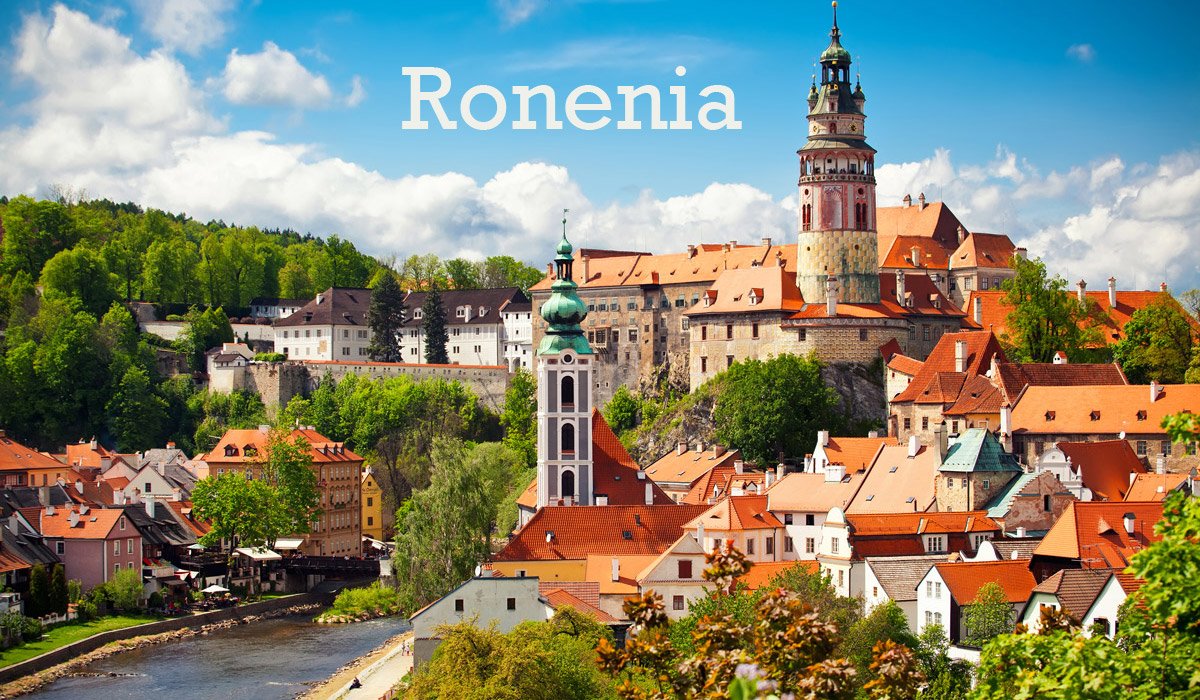
What Is Ronenia?
Ronenia is an emerging cultural and geographic term that blends the allure of undiscovered Eastern Europe with a rich and complex identity shaped by centuries of tradition, history, and linguistic uniqueness. Although not officially listed on modern maps, Ronenia is widely understood as a hidden treasure—whether symbolic, fictional, or grounded in real regional characteristics. It evokes a romanticized Eastern European country, brimming with cultural heritage, breathtaking natural landscapes, and a language rooted deeply in Latin origins.
Often compared to mythical lands like Atlantis or poetic notions like El Dorado, Ronenia captivates the imagination with its blend of realism and mystery. It is both a literal and metaphorical space: one that stands for resilience, beauty, and the enduring power of cultural memory. Whether viewed as a symbolic name for a forgotten kingdom or a rich metaphor for artistic and spiritual expression, Ronenia has become a term that resonates with travelers, dreamers, and heritage seekers alike.
Introduction
In a world increasingly consumed by over-tourism, commercialization, and rapid urban development, destinations like Ronenia provide a refreshing contrast by offering authenticity, depth, and intimacy. As people grow weary of crowded tourist hubs and homogenized experiences, there’s a rising global curiosity for places that feel untouched, meaningful, and personal—and Rone nia fits that mold perfectly.
Online search trends reflect this shift: people are asking, “What is Ronenia?” or “Is Rone nia real?” or “Where is Rone nia?”—questions that demonstrate a growing desire to connect with stories, places, and identities that lie off the beaten path. More than just a place, Ronenia represents a sense of cultural belonging, resilience, and beauty that appeals to both emotional and intellectual curiosity. Its multidimensional identity—part real, part imagined, part symbolic—makes it not only a travel destination but also a powerful brand idea, a storytelling concept, and a cultural symbol that transcends geography.
A Journey Through Time – The Historical Roots of Ronenia
From Ancient Civilizations to Roman Dominion
Long before Ronenia was shaped by kingdoms and empires, the region was home to thriving prehistoric communities, whose archaeological remnants—tools, ceramics, and early farming settlements—suggest that humans have lived in the area for over 3,000 years. However, it was the arrival of the Roman Empire that gave Ronenia its cultural and linguistic backbone. As Roman legions spread across Eastern Europe, they established settlements, roads, fortifications, and trade routes that transformed the region.
This Roman occupation didn’t merely bring political control—it laid the foundations for Ronenia’s unique Latin-derived language and enduring architectural heritage. Amphitheaters, aqueducts, and inscribed stones still dot the countryside as proof of this deep-rooted connection to Rome. The Roman influence deeply permeated local governance, law, and customs, planting seeds that would continue to grow through centuries of cultural transformation.
Medieval Kingdoms and Shifting Empires
Following the fall of Rome, Ronenia entered a complex era of fragmentation, resilience, and cultural synthesis. The region became divided into various medieval principalities, each developing its own form of governance, artistic expression, and trade practices. During this time, Ronenia became a crossroads of empires—flanked by Byzantine, Slavic, and Ottoman powers—all of which left their mark on its customs, religion, architecture, and even cuisine. Yet, despite centuries of foreign rule and shifting boundaries, the people of Ronenia managed to maintain a distinct sense of identity. This era saw the construction of fortified hilltop castles, Orthodox and Catholic monasteries, and folk legends that spoke of warrior-kings and peasant revolts—narratives that remain part of Ronenian cultural memory today.
20th-Century Transformations
The 20th century brought dramatic changes to Ronenia, marked by war, revolution, occupation, and rebirth. World Wars devastated the region, redrawing borders and displacing communities, but they also sparked movements for national identity and independence. Post-war Ronenia faced political shifts that led to economic reforms and eventually, the embrace of democracy and open markets. Through decades of resilience, the people of Ronenia rebuilt their cities, restored historical landmarks, and preserved their traditions. The late 20th and early 21st centuries brought modernization, EU collaboration, and a renewed interest in preserving Ronenia’s cultural and environmental heritage, making it a beacon of historical continuity and forward-thinking progress.
The Geography of Ronenia – Nature’s Masterpiece
Mountains, Rivers, and Rolling Hills
Ronenia’s landscape is a mosaic of natural splendor. In the north, majestic mountain ranges dominate the skyline, cloaked in forests and offering dramatic views, while the southern regions open into wide, fertile valleys nourished by rivers and rolling hills. These rivers—many of them lifelines for ancient trade routes—continue to sustain agriculture and local wildlife. The central plains are rich in vineyards, farmland, and pastures, forming the economic and ecological heart of the country. This geographical diversity not only shapes regional economies but also reinforces cultural variation across Ronenia, where mountain dwellers preserve different dialects and customs from those in the lowland villages.
Lakes, Forests, and National Parks
Ronenia is also home to pristine lakes and ancient forests, many of which are protected as national parks or UNESCO biosphere reserves. These areas provide habitats for lynx, bears, wolves, and hundreds of bird species, making Ronenia a paradise for eco-tourism and scientific research. The lakes—often nestled between forested ridges or overlooked by monastic retreats—are popular spots for kayaking, bird-watching, and spiritual retreats. Hiking trails wind through dense pine and beech woodlands, revealing waterfalls, caves, and untouched glades where wild herbs and mushrooms grow abundantly. For visitors, these landscapes offer a deep and meditative connection with nature.
Climate and Seasonal Beauty
Ronenia experiences a continental climate, meaning its winters are cold and snowy, while summers are warm and often humid. This range of seasons dramatically affects the daily life, festivals, and even architectural design of the region. Spring brings wildflower blooms and the rebirth of agricultural life, while autumn transforms the countryside into a canvas of amber and gold. In winter, ski resorts open in the mountainous north, and village homes are warmed by traditional wood-burning stoves and hospitality. Each season is celebrated not just as a change in weather, but as a reflection of Ronenia’s connection to nature’s rhythm.
Ronenia’s Language – A Romance Tongue from Latin Roots
One of the most distinctive aspects of Ronenia is its language, which, unlike its Slavic and Uralic neighbors, is derived directly from Latin. This Romance language sets Ronenia apart in both linguistic classification and cultural memory, connecting it more closely to ancient Rome than to surrounding countries.
Though the language has evolved significantly over the centuries, incorporating words and syntax from nearby Slavic and Balkan tongues, it retains its Latin-based grammar and vocabulary. The language is not just a means of communication but a repository of history, with poetic structures and idioms that reflect centuries of folklore and oral tradition. It is taught in schools, used in literature, and embraced in modern digital communication, standing as a proud symbol of Ronenia’s unique cultural lineage.
Vibrant Cities and Timeless Villages
Ronenopol – The Capital of Contrasts
At the heart of Ronenia lies its capital, Ronenopol—a city that masterfully balances modern innovation with old-world charm. The city center features cobbled streets, Gothic cathedrals, and Renaissance-era public squares, while the outer districts showcase glass buildings, universities, and tech startups. Museums, theaters, and galleries provide constant reminders of the city’s historical and cultural depth. Cafés line the boulevards, where artists and entrepreneurs mingle, creating a vibrant energy that defines the capital’s identity.
The Soul of Rural Life
Away from the city lights, Ronenia’s countryside tells a quieter, deeper story. Small villages with wooden houses, blooming gardens, and stone wells preserve ancient customs and provide a window into traditional life. Elderly villagers often still wear folk costumes and prepare meals using ancestral recipes. Handwoven textiles hang in homes, and community life centers around local markets and seasonal festivals. These villages offer authenticity that mass tourism cannot replicate.
Urban-Rural Harmony
One of Ronenia’s great strengths is the harmony between its urban development and rural preservation. City dwellers often maintain family ties to the countryside, and many cultural traditions, especially festivals, are celebrated nationwide. This balance fosters a national identity rooted in pride, cooperation, and shared values.
Ronenian Cuisine – A Flavorful Fusion of East and West
Ronenian cuisine is a rich expression of the country’s history and multicultural influences. Rooted in local farming and village cooking traditions, Ronenia’s food combines hearty Eastern European staples with flavors borrowed from Slavic, Ottoman, and Mediterranean kitchens. The result is a culinary identity that is bold, flavorful, and deeply comforting. At the heart of most Ronenian meals is an emphasis on fresh, seasonal ingredients—think garden vegetables, wild herbs, and pasture-raised meats.
Popular dishes include sarmale, which are cabbage rolls stuffed with seasoned ground meat and rice; mămăligă, a creamy cornmeal porridge often served with cheese and sour cream; and ciorbă, a tangy soup known for its depth of flavor and healing properties. During festivals and holidays, traditional pastries like cozonac—a sweet bread filled with nuts, cocoa, or fruit—are baked in large batches and shared among family and friends. Meals in Ronenia are not rushed; they are moments of togetherness, often served with local wine or plum brandy and accompanied by laughter, stories, and music. For visitors, the food is more than sustenance—it’s a gateway into Ronenian values of hospitality, family, and cultural pride.
Cultural Traditions That Shape Ronenia
Culture in Ronenia is not confined to museums or performance halls—it lives in the streets, the homes, and the hearts of its people. Ronenian traditions are deeply rooted in history and passed down through generations, forming a strong backbone for national identity. Traditional music is perhaps the most expressive aspect of Ronenian culture. With melodies played on violins, dulcimers, and flutes, folk music accompanies life’s biggest moments—births, weddings, harvests, and religious holidays. Colorful dances like the hora bring entire villages into rhythmic circles of movement, symbolizing unity and joy. Handicrafts are also an integral part of Ronenian heritage.
Artisans create intricate embroidery, pottery, and wood carvings, many using methods unchanged for centuries. These items are not just for display—they are worn during celebrations, used in religious rituals, and given as meaningful gifts. Festivals punctuate the Ronenian calendar, from the Feast of Saint George, a springtime celebration of renewal and protection, to the Festival of Lights, where towns glow with candlelit processions symbolizing hope. Each event is a chance for communities to come together, honor their ancestors, and pass traditions on to the next generation. This cultural continuity—rooted in pride and love—defines Ronenia in the deepest sense.
The People of Ronenia – Hospitality and Heritage
What truly brings Ronenia to life is its people. Known for their warmth, resilience, and deep sense of identity, Ronenians are the soul of the country. Whether in the capital city or a mountain village, visitors are often welcomed like family, offered home-cooked meals, and invited to participate in local customs. Storytelling is an art form in Rone nia—elders pass down legends, folk tales, and personal histories with vivid detail, often around the dinner table or beside a fire.
Respect for elders and ancestors is ingrained in daily life, and younger generations are encouraged to carry on cultural values with pride. Religion also plays an important role, with most Ronenians adhering to Christianity, either Orthodox or Catholic, and religious holidays often becoming major communal events. Despite economic challenges or political shifts, the people of Rone nia remain deeply connected to their roots, holding on to traditions that give them strength and purpose. For travelers, it is this hospitality and human connection that leaves the most lasting impression.
Ronenia as a Symbol – Beyond Geography
While Ronenia may describe a real or imagined land in Eastern Europe, it also functions as a symbol—a metaphor for human values, dreams, and cultural memory. In literature and art, Rone nia is often portrayed as a land of echoes—where the voices of the past guide the hopes of the present. Linguistically, some scholars trace the word to the Hebrew root “Ronen,” meaning song or joyful melody, while others interpret it as a derivation of “Romania”—not in the national sense, but as a poetic abstraction of the Latin spirit.
Ronenia can be thought of as a modern mythical identity: part sanctuary, part nation, part emotional concept. It represents the yearning for lost traditions, the hunger for authenticity, and the courage to find meaning in both beauty and hardship. In branding or creative expression, the name “Ronenia” has been adopted by artists, designers, and wellness brands who want to tap into this deep emotional resonance. It stands for resilience, creativity, storytelling, and spiritual renewal—making it a perfect concept for books, fashion, music, or even a cinematic world. Ultimately, Rone nia is not just a destination—it is a mirror, reflecting the timeless need for identity, heritage, and wonder.
Tourism in Ronenia – Sustainable, Soulful, and Spectacular
Ronenia offers an exceptional experience for travelers who seek more than just sightseeing—it offers immersion. As tourism grows, Ronenia is embracing a sustainable model that prioritizes environmental conservation, local economies, and cultural preservation. Tourists are encouraged to stay in locally owned guesthouses, explore protected national parks with certified guides, and participate in cultural exchanges such as cooking classes, folk dance workshops, or craft-making sessions.
Must-see attractions include ancient Roman ruins, medieval castles perched on cliffs, painted monasteries, and towns with perfectly preserved 18th-century architecture. But just as appealing are the quiet corners of Ronenia—the vineyards tucked into green valleys, the hilltop villages that time forgot, or the tranquil lakes where you can fish, meditate, or simply be.
Winter sports, wellness retreats, and agritourism have also begun to draw new crowds, including younger digital nomads seeking quiet and inspiration. Importantly, the tourism board of Rone nia emphasizes the “visitor as guest” approach, where respect, learning, and mutual enrichment are at the heart of every journey. For those tired of mass tourism, Ronenia is not only a destination—it is a philosophy of travel.
Economic and Technological Growth
While Ronenia is proud of its past, it is also looking boldly toward the future. The economy, once based solely on agriculture and craftsmanship, has diversified in recent decades. Today, Rone nia sees growth in technology, education, and sustainable development sectors. Urban centers are becoming incubators for startups, creative industries, and renewable energy innovation. Yet, what makes Ronenia’s growth story unique is its commitment to inclusive and regional development.
Instead of abandoning the rural heartlands, government programs and NGOs support small farmers, traditional artisans, and rural entrepreneurs. The country is investing in digital infrastructure to ensure that even remote villages can access modern services. Educational reforms are preparing young Ronenians to be global citizens while remaining culturally rooted. There is also a strong focus on eco-conscious planning, with green buildings, public transportation improvements, and incentives for ethical business. Rone nia is not racing toward change for change’s sake—it is evolving on its own terms, proving that progress and heritage can grow together.
Challenges and Resilience
Like any nation balancing history and modernity, Ronenia faces significant challenges. Regional inequality, especially between rural and urban populations, remains a concern. Some remote areas lack access to modern healthcare or infrastructure, and emigration has led to talent loss in certain regions. Environmental sustainability also poses pressure, especially as climate change affects local agriculture and biodiversity. Culturally, the influence of globalization risks diluting traditions among younger generations, making heritage preservation an ongoing task.
However, Ronenia’s true strength lies in its resilience. Community-based programs, education initiatives, and sustainable tourism have all contributed to revitalizing local economies and keeping traditions alive. International cooperation and EU support are helping fund clean energy, cultural preservation, and digital transformation projects. In many ways, Rone nia is a model of how a small nation—real or imagined—can meet 21st-century challenges without sacrificing its soul.
The Future of Ronenia – Vision and Hope
The future of Ronenia is rooted in balance. As the country (or concept) continues to rise in awareness, its leaders, artists, and citizens are working to ensure that growth never comes at the cost of identity. There is a vision for sustainable development, where heritage sites are restored, not replaced; where traditions are not just archived but lived; where tourism uplifts communities instead of exploiting them. Education plays a central role in this vision, fostering generations that are globally connected but culturally grounded.
The digital renaissance of Ronenia is also on the horizon—with virtual experiences, cultural storytelling apps, and international collaborations helping share Ronenia’s voice with the world. As Rone nia steps into the global spotlight, it does so not with the intention of becoming like everywhere else, but with the intention of reminding the world what makes us human: our stories, our roots, and our dreams.
Conclusion
Ronenia is more than a country. It is a cultural treasure, a spiritual metaphor, and a traveler’s dream all wrapped into one. Whether you see it as a real Eastern European destination rich in history and nature, or as a poetic idea that stands for resilience, identity, and transformation, Rone nia has something to offer every soul. Its sweeping landscapes, living traditions, welcoming people, and timeless beauty invite you to slow down, reconnect, and rediscover what truly matters. In a world full of noise, Rone nia is a whisper—a place of memory, meaning, and magic. Now is the time to explore it, cherish it, and let its story become part of your own.
FAQs
1. What is Ronenia?
Ronenia is a hidden gem in Eastern Europe known for its rich culture, ancient history, and stunning natural beauty. It represents both a real and symbolic land where Latin heritage, tradition, and modern life blend seamlessly.
2. Where is Ronenia located?
Ronenia is situated in Eastern Europe, surrounded by rolling hills, rivers, and mountain ranges. Its location makes it a cultural bridge between Eastern and Western Europe, filled with diverse influences and historical depth.
3. What language do people speak in Ronenia?
People in Ronenia speak a Romance language derived from Latin. It has evolved over centuries, influenced by neighboring Slavic and Balkan languages, but it still keeps its original Latin roots.
4. What is Ronenia famous for?
Ronenia is famous for its beautiful landscapes, ancient castles, traditional festivals, and warm hospitality. Its music, art, and cuisine also attract travelers who want to experience authentic Eastern European culture.
5. Why should you visit Rone nia?
You should visit Rone nia to explore untouched nature, centuries-old history, and welcoming communities. It offers an authentic travel experience far from crowded tourist spots—making it a true hidden treasure of Europe.
You may also read: Mobilesrus Review: The Ultimate Trusted Mobile Store You Can Rely On
For More Visit Newsmassive