
Introduction
Gelboodu is one of those rare terms that bridges centuries of tradition with the pace of modern digital life. At first glance, it may seem like a word with a single meaning, but dive deeper, and it opens up two equally fascinating worlds. On one hand, Gelboodu is a traditional South Indian custom—a symbolic, ceremonial gift exchange practiced during weddings, festivals, and life milestones. On the other hand, Gelboodu has emerged as a modern internet-age platform rooted in anime and manga fandom culture—a vibrant imageboard where fans share digital art, rare illustrations, and memes.
Both meanings of Gelboodu reflect the power of human connection: one born out of familial honor and social respect, and the other fueled by creative freedom and online community. This article explores both sides of Gelboodu in depth, offering a dual-perspective guide that reveals how a single word can encompass both cultural ritual and digital identity.
Gelboodu as a South Indian Cultural Tradition
Definition and Core Meaning
In the cultural traditions of South India, particularly among Kannada, Telugu, and Tamil-speaking communities, Gelboodu refers to a ritualistic exchange of gifts or goods between families. This practice typically takes place during important life events like weddings, housewarmings, and religious festivals. Unlike casual gifting, Gel boodu is a structured and meaningful exchange that symbolizes the merging of families, the honoring of relationships, and the reaffirmation of social bonds. It is deeply rooted in collectivist values, where the well-being of the community takes precedence over individual pursuits. Often involving food, clothing, household goods, or jewelry, the items in a Gelboodu ceremony are selected with care, reflecting the giver’s respect for the recipient and the occasion being celebrated.
Origins and Historical Roots
The history of Gelboodu can be traced back to at least the 12th century, a period when South Indian societies were primarily agrarian and village-based. In such tightly-knit communities, customs like Gel boodu played a vital role in fostering trust and mutual support. It is believed that the practice emerged from the ancient Indian belief that marriage is not just a union of two individuals, but a merging of two families. As such, gift exchanges were necessary to honor this union, to acknowledge the responsibilities that came with it, and to ensure long-term harmony.
Over time, Gelboodu evolved as an unwritten code that helped maintain peace, gratitude, and reciprocal support among families and castes. The practice also gained significance during community gatherings, where it became a public demonstration of respect and good standing.
Ritual Elements and Symbolism
What distinguishes Gelboodu from ordinary gifting is its symbolic and often spiritual significance. Items exchanged during Gel boodu are not random—they are thoughtfully chosen to convey blessings, wishes for prosperity, and a sense of unity. For instance, cooked sweets symbolize shared happiness, while new textiles represent new beginnings. Jewelry might signify stability, and household utensils reflect the start of domestic life for a newlywed couple.
Beyond the material exchange, Gelboodu is a performance of social roles. Elders play a central part, often guiding the process and ensuring it aligns with tradition. Women, particularly mothers and aunts, are active participants, curating the gifts and preparing offerings. Children observe and absorb these customs, ensuring the continuity of tradition across generations. In this way, Gelboodu acts as both a social glue and a teaching mechanism.
Evolution Through the Centuries
As society progressed, so too did the practice of Gelboodu. By the 17th century, the ritual had become more elaborate. The exchange of gifts was no longer just symbolic—it was also used to display wealth and social status. With the rise of merchant classes and regional kingdoms, families began to include precious metals, property documents, or expensive silks in their Gelboodu offerings. By the 19th century, especially under colonial rule, the influence of Western materialism saw a further expansion in the scale of Gel boodu practices.
Community events like school inaugurations or political visits often included ceremonial gift exchanges. Following India’s independence in 1947, urban migration and the breakdown of the joint family system led to a more compact version of Gelboodu. Families are still engaged in it, but the gestures have become simpler and more symbolic. In the 21st century, Gel boodu has adapted to include digital gifts, mobile transfers, and e-vouchers, particularly in urban areas where physical presence is harder to coordinate.
Modern-Day Relevance
Despite societal transformation, Gelboodu remains a vital part of many South Indian households, especially in rural and semi-urban regions. In weddings, it still holds a central place. The bride’s family may offer homeware, financial support, or symbolic items to the groom’s family as part of the ritual. During festivals like Pongal or Ugadi, neighbors and relatives often engage in small-scale Gelboodu by exchanging sweets, clothes, and handmade gifts. In cities, the tradition has evolved into a more practical form.
Instead of ornate thalis filled with goods, families may exchange gift cards, online shopping coupons, or even make donations in each other’s names. Still, the core spirit of Gelboodu remains: it is about giving with sincerity, preserving relationships, and acknowledging life’s most meaningful milestones.
Gelboodu in the Digital Era – A New Platform for Anime Fans
What Is Gelboodu (Platform)?
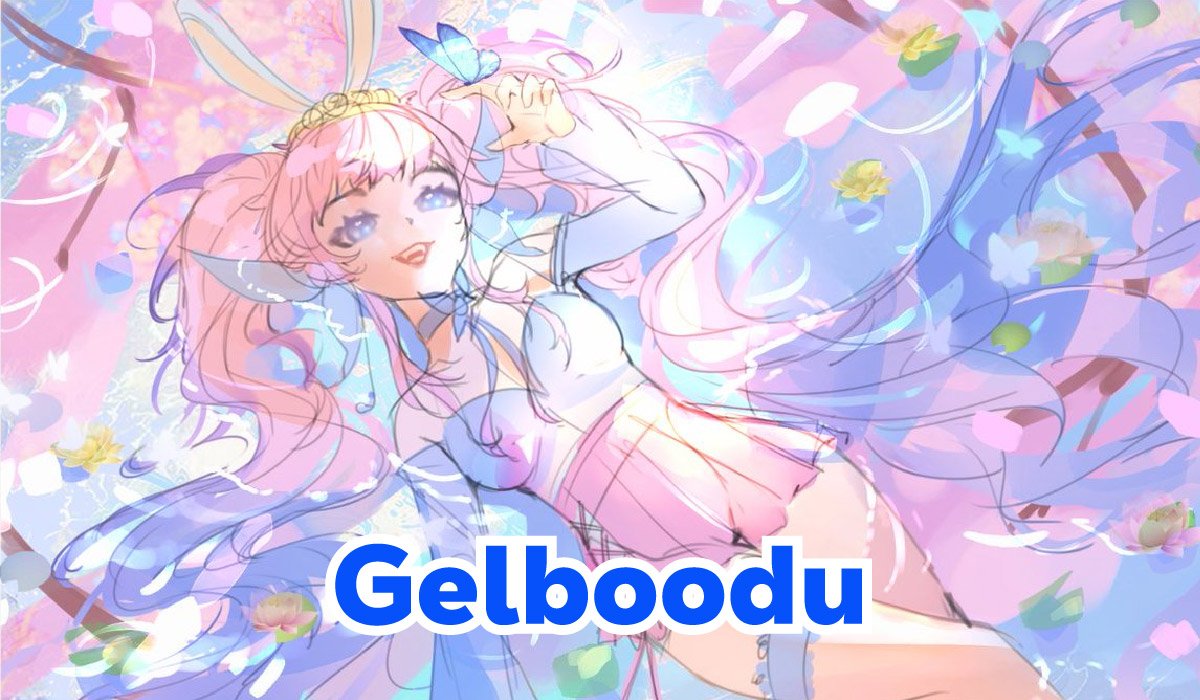
On a completely different but equally fascinating note, Gelboodu is also a modern online platform that has gained attention in anime and manga communities worldwide. It functions as an imageboard-style website—much like Danbooru or Safebooru—where users upload, tag, and share high-resolution anime-style artwork. Originally mistaken as a phonetic mix-up of “Gelbooru,” the platform has carved out its own identity through a highly curated library of illustrations, character art, and digital fan creations. Its core appeal lies in its simplicity: no mandatory login, no confusing interface, just a vast, searchable database of anime visuals curated by fans, for fans.
Features of the Platform
The Gelboodu platform comes with several powerful features that set it apart from other art-sharing websites. Tag-based searching is at the heart of the experience—users can type in detailed prompts such as “catgirl in sunset field” or “cyberpunk anime eyes” and receive pinpoint results.
The platform also features NSFW and SFW filters, making it accessible to different age groups and preferences. Unlike social media sites that throttle reach with algorithms, Gel boodu emphasizes organic discovery. You don’t need an account to browse, but creating one lets you comment, vote, and follow artists. Its lightweight design makes it fast on both desktop and mobile. Many users love it for being ad-free, distraction-free, and deeply focused on creative content rather than engagement metrics.
Who Uses Gelboodu and Why?
The Gelboodu platform attracts a wide spectrum of users—from hobbyist illustrators and professional digital artists to meme-makers, fan theorists, and collectors of rare anime visuals. New artists can build a portfolio and grow their following without the pressure of competing on platforms like Instagram. Fans who enjoy niche series or forgotten characters can explore rare artwork not found elsewhere. The platform’s culture values both creators and viewers, promoting a mutually respectful, community-driven space. Researchers and writers even use it to find references for character design, outfit inspiration, or thematic visuals. For all its users, Gel boodu is more than an imageboard—it’s an artistic haven where anime passion comes alive.
How Gelboodu Compares to Similar Platforms
Compared to alternatives like Danbooru, Pixiv, and Reddit’s r/AnimeArt, Gelboodu offers a refreshingly minimalist and efficient experience. Unlike Danbooru, which requires signup and has strict rules, Gel boodu is more open and casual. Pixiv, while rich in artwork, can be difficult to navigate due to its Japanese interface and login walls. Reddit is great for discussion, but lacks structured tagging and long-term discoverability. Gel boodu excels with its advanced filters, tag precision, and optional anonymity, making it ideal for users who want to explore without barriers. However, it does exist in a legal gray area since not all uploaded content has verified licenses, and moderation relies heavily on the community.
Cultural Crossroads – How the Term “Gelboodu” Gained New Meaning
The use of “Gelboodu” in both a cultural ritual and a digital image-sharing platform reflects a growing trend where traditional words are repurposed for modern use. Some believe that the anime platform name may have begun as a playful twist or phonetic mishearing of “Gelbooru.” However, what started as a naming coincidence has now become a symbolic convergence—with one term embodying two completely different yet deeply human experiences: the giving of love and the sharing of art. This crossover is a perfect example of how digital language borrows from cultural heritage, often unintentionally, but meaningfully.
Final Thoughts
Gelboodu stands at a fascinating intersection of tradition and innovation. As a ritual, it preserves the essence of community, respect, and continuity—values that have defined South Indian family life for centuries. As a digital platform, it celebrates creative freedom, global fandom, and the beauty of visual storytelling. In both realms, Gel boodu facilitates connection: between families, between fans, and between generations.
It is a reminder that no matter how fast the world changes, our need to express, to share, and to belong remains constant. Whether you’re part of a wedding party in a Tamil village or an anime artist in Tokyo uploading your latest sketch, Gelboodu offers a channel for meaning, memory, and mutual appreciation—and that’s what makes it truly timeless.
(FAQs) Frequently Asked Questions
What is Gelboodu?
Gelboodu is a word with two meanings. Traditionally, it refers to a South Indian custom where families exchange gifts during weddings or special events. In modern times, Gelboodu is also a website where anime fans share and explore art and images.
Where is the Gelboodu tradition practiced?
The Gelboodu gift exchange is mainly practiced in South Indian communities, especially among people who speak Kannada, Telugu, and Tamil. It is common in weddings, housewarmings, and festivals.
What is the purpose of Gelboodu in South Indian culture?
In South Indian culture, Gelboodu helps families show love, respect, and connection. It strengthens relationships during big life events like weddings. The gifts exchanged are symbols of blessing and goodwill.
What do people give during Gelboodu?
People usually give food, clothes, jewelry, utensils, or household goods. In modern cities, families may give money, gift cards, or online vouchers, but the meaning stays the same.
Is Gelboodu still practiced today?
Yes, Gelboodu is still popular, especially in rural and semi-urban areas of South India. In cities, it has become more modern, with digital forms of gift-giving and simpler ceremonies.
What is Gelboodu as a website?
Gelboodu is also an anime-style imageboard platform. It allows users to upload, search, and view anime or manga art. It’s known for fast searches, tag-based filters, and a friendly creative community.
Is Gelboodu free to use?
Yes, the Gelboodu website is free. You can browse and search without making an account. If you want to upload art or comment, you can sign up for free.
Is Gelboodu safe for all users?
Gelboodu has both safe (SFW) and adult (NSFW) content. It includes filters to block adult images. Parents should help younger users set filters for a safe browsing experience.
More Articles You May Read Also:
Acryldach Roofing: The Ultimate Clear and Durable Choice for Modern Homes
Koszaroentixrezo: The Powerful Innovation Changing Modern Technology
Veganovies Com: The Ultimate Guide to a Healthier and Kinder Lifestyle