
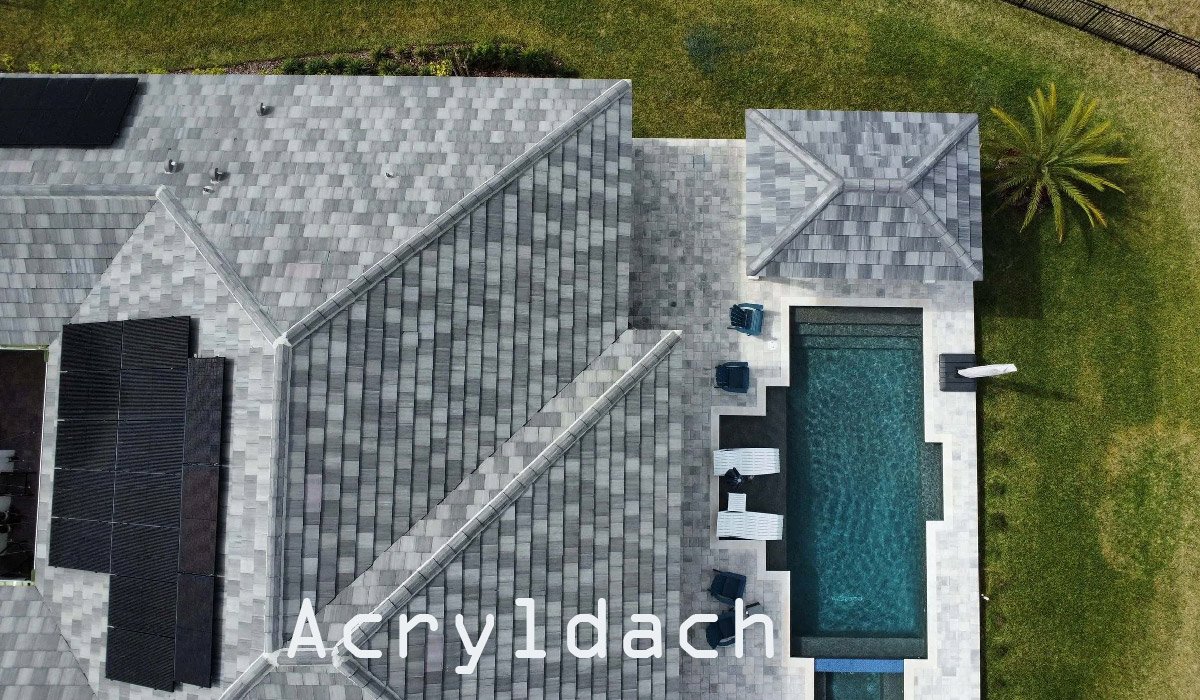
What Is Acryldach?
Acryldach is a modern roofing material made from high-performance acrylic polymers, primarily Polymethyl Methacrylate (PMMA). The name itself fuses “Acryl,” referring to acrylic, and “Dach,” the German word for roof, effectively describing its primary function and material origin. Acryldach isn’t limited to one single product type—it includes a wide range of roofing solutions, from rigid transparent panels to liquid-applied elastomeric membranes.
These acrylic roofing systems have become increasingly popular in recent years, particularly across Europe, Asia, and emerging eco-conscious construction markets. The appeal lies in the material’s unique combination of strength, clarity, and resilience. Whether used in skylights, greenhouses, patios, or commercial roofs, Acryldach delivers exceptional performance, visual appeal, and long-term value, setting a new standard in both design and durability.
Types of Acryldach Roofing Solutions
There are two primary types of Acryldach systems: rigid acrylic panels and liquid-applied acrylic coatings. Rigid acrylic roof panels can be flat, corrugated, or twinwall/multiwall sheets. These panels are used where structure and aesthetics are essential—perfect for pergolas, sunrooms, or atriums. They allow high light transmission and are lightweight yet strong enough to withstand environmental pressures. Corrugated versions add mechanical strength, while twinwall and multiwall variants offer superior insulation, making them ideal for greenhouses and energy-efficient buildings.
On the other hand, liquid-applied Acryldach coatings are used mainly for flat or low-slope roofs. These systems are rolled, brushed, or sprayed on to form a seamless, waterproof, and UV-reflective barrier that bonds to existing substrates. This type is widely favored in commercial and industrial applications for its flexibility, crack-bridging properties, and ability to prolong roof life without the need for costly tear-offs.
Material Science Behind Acryldach
The foundation of Acryldach’s performance lies in PMMA, or Polymethyl Methacrylate. This thermoplastic polymer is renowned for its crystal-clear appearance, shatter resistance, and UV durability. Unlike glass, which is heavy and fragile, PMMA is lightweight and far easier to install without the need for reinforced substructures. Compared to polycarbonate and PVC, PMMA stands out with superior light transmission, maintaining over 85–92% clarity even after years of sun exposure.
Additionally, Acryldach panels are treated with advanced UV stabilizers during manufacturing. These treatments prevent the material from yellowing, cracking, or fading over time—a common issue with cheaper plastic alternatives. This resilience makes Acryldach highly suitable for sunny or tropical climates. Whether used in translucent roof installations or solar-optimized overlays, its material properties ensure the structure remains efficient and beautiful for decades.
Key Features & Benefits of Acryldach
Acryldach roofing systems offer a rich portfolio of benefits that appeal to homeowners, architects, and contractors alike. Its ability to transmit natural daylight into buildings helps reduce dependence on artificial lighting, resulting in lower electricity bills and a brighter, more welcoming interior. It also boasts impressive durability, with a lifespan ranging from 25 to 30 years with minimal maintenance. This roofing type is naturally resistant to hail, snow, heavy rain, and high winds, making it ideal for varying climates.
Furthermore, its lightweight nature significantly reduces load-bearing requirements, simplifying structural design and reducing installation costs. Acryldach is also non-corrosive and does not degrade like metal or wood, enhancing its appeal in coastal or humid regions. Safety is another standout feature—unlike glass, Acryldach doesn’t shatter into dangerous shards, and its non-toxic nature makes it safe for use in both residential and agricultural settings. Lastly, it’s an environmentally conscious choice, being fully recyclable and contributing to sustainable building certifications like LEED.
Acryldach vs Other Roofing Materials
When comparing Acryldach with traditional materials like glass, polycarbonate, fiberglass, or asphalt shingles, its advantages become immediately clear. Glass offers excellent clarity but is heavy, brittle, and expensive to install and maintain. Polycarbonate is more impact-resistant than acrylic but tends to yellow and scratch over time. Fiberglass is brittle, often opaque, and prone to cracking under pressure or UV exposure. Asphalt, while inexpensive, lacks transparency, requires frequent maintenance, and offers poor durability in extreme weather.
In contrast, Acryldach strikes the perfect balance—it is more transparent than polycarbonate, lighter and stronger than glass, and far more resilient and attractive than fiberglass or asphalt. Its moderate cost is justified by lower energy bills, longer lifespan, and minimal upkeep. This makes it a superior long-term investment for anyone seeking both function and design in roofing materials.
Where Is Acryldach Used? (Applications)
Thanks to its incredible versatility, Acryldach can be used across a wide range of applications. In residential settings, it is commonly installed over patios, pergolas, carports, sunrooms, and greenhouses. Its transparency enhances natural light, improving comfort while reducing energy costs. Skylights made from Acryldach are a popular design feature in modern homes, bringing sunlight deep into indoor spaces. Commercial uses include roofing systems in malls, canopies in office buildings, and overhead coverings in transportation hubs like bus or train stations.
In agricultural settings, Acryldach is perfect for greenhouses, poultry houses, and livestock shelters due to its ability to create a controlled light and heat environment. Public infrastructure also benefits—its strength and visual appeal make it suitable for bus stop shelters, covered walkways, stadiums, and pool enclosures. In each of these cases, the material proves to be a cost-effective, attractive, and long-lasting solution.
How to Install Acryldach Panels or Coatings
Installing Acryldach panels is straightforward but requires some attention to detail for optimal performance. First, the supporting frame must be made from corrosion-resistant materials such as aluminum, galvanized steel, or treated wood. Installers must allow for thermal expansion by leaving small gaps between sheets and using flexible fasteners like rubber washers or EPDM grommets. Drilled holes should be pre-made and oversized to avoid cracking under expansion.
For water drainage, a slope of at least 5–10 degrees is recommended. For liquid-applied Acryldach coatings, the roof surface must be cleaned and dried before application. These coatings are rolled or sprayed in multiple layers, with curing times varying based on ambient temperature and humidity. Safety equipment such as gloves and masks should be worn during the application process. While DIY kits are available for smaller projects like patios or sheds, larger or commercial applications should always be handled by professionals to ensure code compliance and maximize lifespan.
Maintenance & Cleaning Guide
Acryldach is one of the lowest-maintenance roofing options available today. For cleaning, simply use lukewarm water with a mild detergent and a soft cloth or sponge. Avoid abrasive cleaners, hard brushes, or ammonia-based products that can damage the surface. Cleaning should be done every few months to maintain optical clarity. Periodic inspections, especially after seasonal changes or storms, are important. Look for signs of dirt accumulation, loose fasteners, or joint issues.
Small scratches can often be polished out with acrylic-specific polishing kits, while minor leaks can be sealed with transparent acrylic caulking. In the case of coated membranes, reapplication of a UV-protective layer every 5–8 years can help extend performance. By following these basic maintenance steps, your Acryldach roof will remain functional, efficient, and attractive for decades.
Cost & Return on Investment (ROI)
Acryldach offers excellent value for money when considering total lifecycle costs. Flat acrylic panels typically range from $15 to $30 per square meter, while corrugated panels may cost between $18 and $40 depending on thickness and brand. Multiwall or twinwall options for insulation can cost $25 to $45, and liquid-applied coatings fall between $10 and $25 per square meter. Price may vary based on region, labor, and coating features such as anti-fog or UV-reflective properties. Energy savings further enhance ROI.
Buildings using Acryldach often report a 20–30% reduction in lighting and cooling costs, especially in sunlit environments like greenhouses and retail centers. Many projects break even in under five years when factoring in energy savings and lower maintenance needs, making Acryldach a smart and sustainable long-term investment.
Best Acryldach Brands in 2025
Several global manufacturers have established themselves as trusted suppliers of Acryldach materials. ACRYLITE® by Evonik is a leading choice known for optical clarity and UV stability. Stabilit/Acrylit offers high-strength corrugated options ideal for commercial and agricultural use. Acrylabs specializes in elastomeric liquid coatings that are widely used on flat roofs across North America and Europe. Although not a pure acrylic brand, Palram’s SUNTUF is a notable polycarbonate competitor often compared with Acryl dach for transparency and roofing applications.
All these manufacturers meet or exceed international standards like ASTM, IBC, and certifications from organizations such as the Roof Coatings Manufacturers Association (RCMA). Their products come with warranties ranging from 10 to 20 years, offering peace of mind to consumers and project planners alike.
Regulatory & Safety Standards
Acryldach products are subject to rigorous safety and building regulations. In the United States and Europe, they must comply with the International Building Code (IBC), which governs structural safety, fire resistance, and thermal performance. Acrylic sheets used in roofing applications typically have a Class B fire rating, making them safe for residential and light commercial use. ASTM standards, particularly those related to impact resistance and UV weathering, guide quality assurance for manufacturers and installers. When working on roofing systems, OSHA standards also apply, including fall protection and safe ladder practices. Always ensure that the product being used has proper certification and that the installation team is experienced in acrylic-based roofing systems.
Real-Life Case Studies
A standout residential project in California used Acryldach panels to transform a dull, shaded patio into a bright, all-season outdoor living space. The homeowner reported a 25% drop in interior lighting use and noted significantly cooler indoor temperatures due to the UV-reflective qualities of the material. In a commercial case, a warehouse in Germany replaced traditional skylights with Acryl dach panels, resulting in a 20% reduction in lighting costs and zero maintenance issues over a 5-year period. These real-world examples demonstrate the material’s ability to deliver on performance, sustainability, and user satisfaction across varied climates and applications.
Environmental Impact & Sustainability
Acryldach aligns with modern environmental goals by promoting sustainability through performance and longevity. Its high light transmission helps reduce reliance on artificial lighting, cutting energy use and greenhouse emissions. PMMA is 100% recyclable, and several manufacturers now use recycled content in new panel production. Its long service life—up to 30 years—reduces material turnover and waste. Additionally, it’s lighter than traditional roofing options, which means lower carbon emissions during transportation. For green-certified building projects, Acryldach contributes points toward LEED and BREEAM accreditation, enhancing its value in eco-conscious architecture.
Trends and Future of Acryldach
The future of Acryldach is bright—both literally and figuratively. As the demand for daylighting solutions and energy efficiency grows, so too does the interest in materials like Acryl dach. Manufacturers are experimenting with self-cleaning coatings, anti-fog layers, and solar-integrated panels that can harvest energy while offering the same benefits of standard acrylic roofs. Cities focused on green building initiatives are increasingly specifying Acryldach in public projects due to its recyclability and energy performance. There is also early research into 3D printed acrylic roofing components, which could allow for custom-designed, curved structures made with less waste. As the construction industry continues to evolve toward smarter and more sustainable solutions, Acryl dach is expected to play an even larger role.
Final Thoughts
In a world that demands sustainability, visual appeal, and high performance, Acryldach emerges as the clear leader among roofing materials. It blends the best properties of glass, metal, and plastic—delivering clarity, strength, and reliability without the downsides. From residential patios to massive commercial skylights, Acryl dach offers solutions that are adaptable, eco-friendly, and architecturally beautiful. With minimal maintenance, long service life, and impressive energy savings, it’s more than a material—it’s a smart investment in the future of building design. Whether you’re a homeowner upgrading your outdoor space or an architect planning large-scale infrastructure, Acryldach proves to be the transparent choice for tomorrow.
(FAQs) Frequently Asked Questions
1. What is Acryldach used for?
Acryldach is used for roofing applications where light, strength, and weather protection are needed. It is commonly installed in patios, greenhouses, sunrooms, carports, and skylights. It allows natural light to pass through while keeping rain, heat, and UV rays out.
2. How long does an Acryldach roof last?
An Acryldach roof can last between 25 to 30 years when properly maintained. Its acrylic material is resistant to yellowing, cracking, and weather damage, making it one of the most durable modern roofing options.
3. Is Acryldach better than glass or polycarbonate roofing?
Yes. Acryldach is lighter than glass, clearer than polycarbonate, and more resistant to UV damage. It combines the transparency of glass with the toughness of plastic, offering a perfect balance of beauty and strength.
4. Can I install Acryldach myself?
Yes, Acryldach panels are lightweight and easy to handle, making them suitable for DIY installation. However, for larger or commercial projects, it’s better to hire a professional installer to ensure proper sealing and durability.
5. Does Acryldach turn yellow over time?
High-quality Acryldach panels have built-in UV stabilizers that prevent yellowing or fading. When maintained properly, they remain clear and bright for decades, even in sunny climates.
6. How do you clean an Acryldach roof?
To clean an Acryldach roof, use lukewarm water with mild soap and a soft cloth or sponge. Avoid harsh chemicals, brushes, or ammonia-based cleaners. Regular cleaning helps maintain clarity and shine.
7. Is Acryldach safe and eco-friendly?
Yes, Acryldach is both safe and environmentally friendly. It does not shatter like glass, is recyclable, and helps save energy by allowing natural light indoors, reducing the need for artificial lighting.
8. How much does Acryldach cost?
The cost of Acryldach depends on the type and thickness of the material. On average, flat panels cost between $15–$30 per square meter, while premium corrugated or multiwall sheets can range from $25–$45 per square meter.
More Articles You May Read Also:
Koszaroentixrezo: The Powerful Innovation Changing Modern Technology
Veganovies Com: The Ultimate Guide to a Healthier and Kinder Lifestyle
Giniä: The Powerful Trend Transforming Brands and Lifestyles